
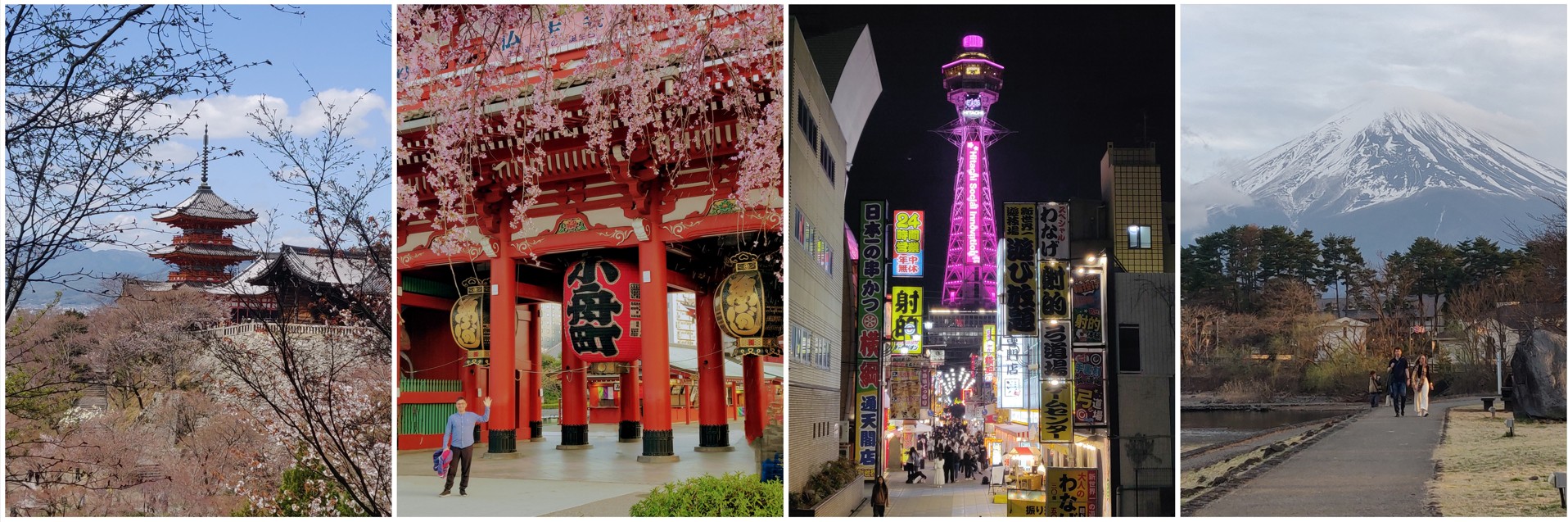
Two weeks in Japan: Tokyo, Mount Fuji, Kyoto, Hiroshima and Osaka

Two weeks in Japan covering five stops: four nights in Tokyo, two under Mount Fuji at Lake Kawaguchiko, three in Kyoto, two in Hiroshima and three in Osaka, linked by bullet train throughout. It is the itinerary for anyone who wants to see the country rather than two cities of it.
Price includes:
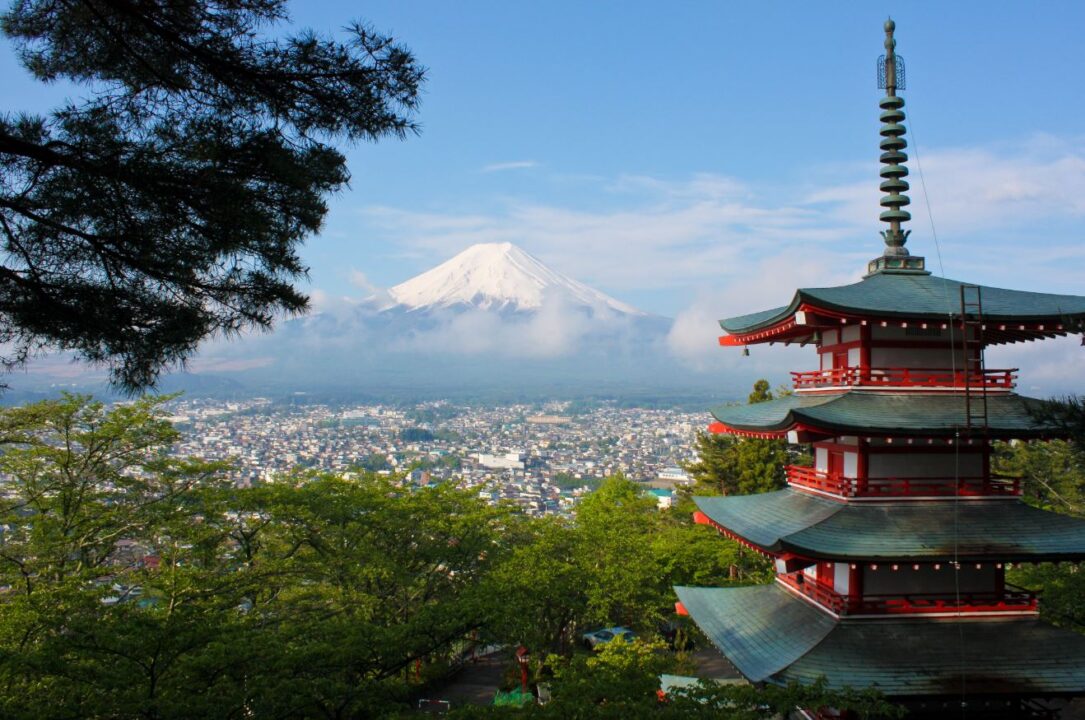
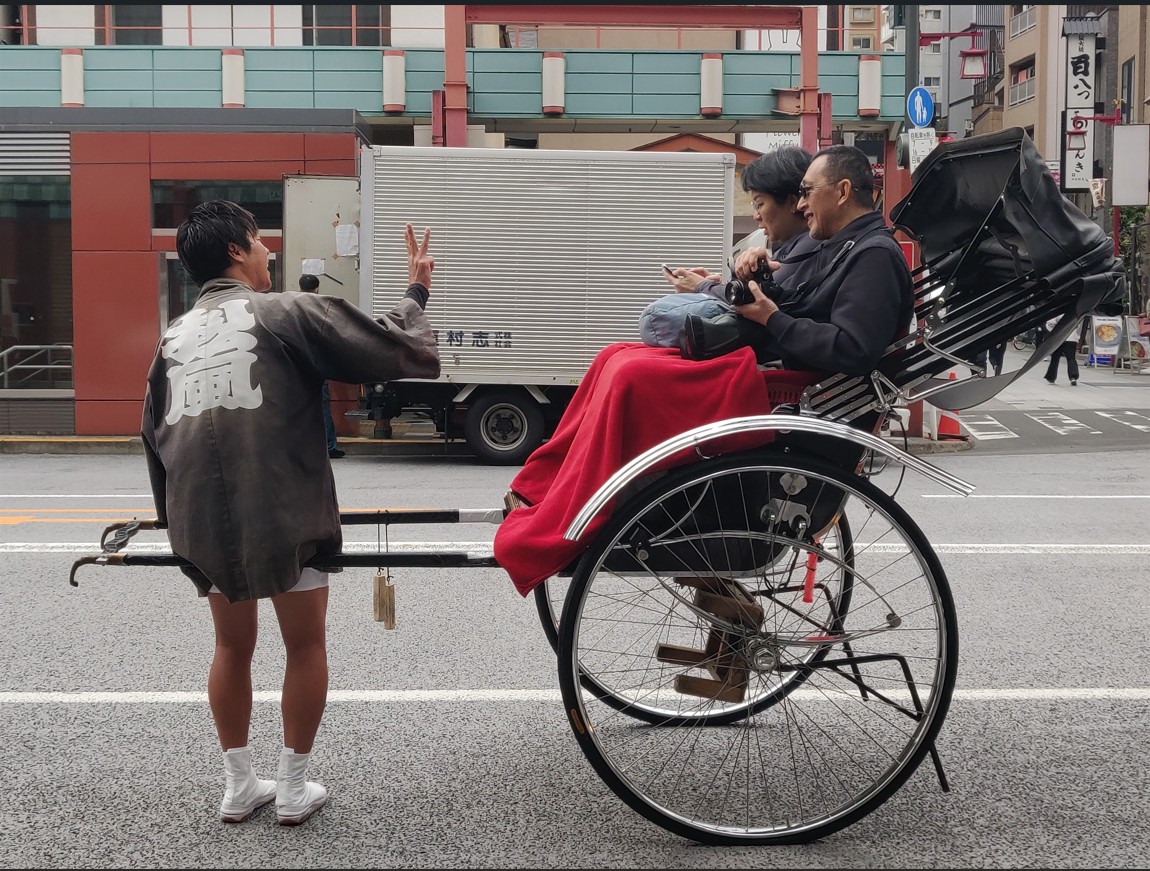
Fly out of London Heathrow with Emirates, connecting in Dubai. Departures from Manchester, Birmingham, Edinburgh, Glasgow, Belfast and Newcastle are available with alternative carriers, and British Airways non-stop flights can be added for a supplement. Your travel consultant confirms the exact timings when the booking is made. You cross eight time zones travelling east, so the calendar loses a day in the air and you land in Japan the following afternoon. Eat on London time for the Dubai leg, then treat the second flight as your night and sleep through as much of it as you can — it makes the first evening in Tokyo far easier. Emirates online check-in opens 48 hours before departure and closes 90 minutes before. Use it to claim seats for both legs at once; the Dubai to Tokyo aircraft fills quickly at the front of economy. Land in Tokyo and clear immigration, where you will need the Visit Japan Web QR code you registered before flying. The run into Shinjuku takes about an hour by Airport Limousine bus if you land at Haneda, or closer to 90 minutes on the Narita Express if you land at Narita. Private transfers can be arranged in advance. Your hotel sits in Kabukicho, a few minutes north of Shinjuku station. Once you have dropped your bags, walk ten minutes to Omoide Yokocho, the lane of tiny yakitori counters beside the west exit, or take the free lift to the 45th floor of the Metropolitan Government Building for a first look across the city. Keep the first evening short. Add a Suica card to Apple Wallet before you leave home and top it up with a UK card. It works on every metro, JR line and bus in Tokyo and Kyoto, and on convenience store tills, with no queue at the airport ticket machines and no deposit to reclaim. Jet lag wakes you early, so use it. Take the Marunouchi and Ginza lines from Shinjuku to Asakusa, about 35 minutes, and walk in through the Kaminarimon gate while the shutters on Nakamise-dori are still down. The approach to Sensō-ji is a straight 250 metres of souvenir stalls that becomes almost impassable by mid-morning and is empty at seven. Behind the main hall are the quieter Asakusa Shrine and the five-storey pagoda. When the shops open around ten, work back down Nakamise and into the side lanes for Denbo-in Street and the old craft shops, then cut east to the Sumida River. Rickshaw drivers wait near the gate and will run a ten-minute or half-hour loop of the district. In the afternoon take the river bus downstream to Hamarikyu Gardens, a walled Edo-period garden with a tea house on an island, or stay on to Odaiba. Either way you arrive by water, with Tokyo Skytree behind you and the city opening out ahead. Directly opposite Kaminarimon, the Asakusa Culture Tourist Information Center has a free eighth-floor terrace looking straight down Nakamise-dori to the temple. It opens at 09:00, has a lift, and is the photograph everyone else queues in the street for. An optional pre-bookable full day to Hakone, in the crater country below Mount Fuji. The coach leaves Shinjuku in the morning and covers roughly 90 kilometres south-west, about two hours each way, returning to Shinjuku by 18:00. It has to be booked and paid before you travel; ask us for the current price when you reserve. The day runs as a circuit: a cruise across Lake Ashi on one of the replica pirate boats, with the red torii of Hakone Shrine standing in the water on the eastern shore, then the Hakone Ropeway up and over the ridge to Ōwakudani. The valley has been venting sulphur since an eruption around 3,000 years ago, and the eggs boiled in the pools come out black; local lore gives you seven extra years of life per egg. The afternoon is a choice between Gotemba Premium Outlets, one of the largest outlet malls in Japan with Fuji visible behind it, or an onsen with a mountain view. Both work; the onsen is the better use of the day if you have shopping time in Tokyo. Fuji hides behind cloud most summer days. From December to February it is visible on the majority of mornings and the odds fall steadily through spring. Whatever the month, look in the first two hours of the day — the mountain usually clouds over by early afternoon. A day on the west side of the city, two stops from Shinjuku on the Yamanote line. Start at Meiji Jingu, where a gravel path runs for ten minutes through forest before the shrine appears, then leave by the south gate straight onto Takeshita-dori in Harajuku. The contrast between the two takes about four minutes on foot and is the point of the morning. Walk down Omotesando for the architecture, then into Shibuya for the crossing, best watched from the first-floor Starbucks window or from Shibuya Sky. This is also the day for the pre-bookable options: the Harajuku Kawaii tour with a guide in full street style, a kimono and tea ceremony, the Otaku half-day in Akihabara, or a small-group food tour. The Ghibli Museum at Inokashira Park in Mitaka is 20 minutes west of Shinjuku on the Chuo line. It is small, deliberately unsignposted inside, and holds one short film you cannot see anywhere else. Ghibli Museum tickets are date and time stamped and are never sold at the door. They go on sale on the 10th of the month for the whole of the following month and the popular slots go the same day, so this is one to buy the moment your dates are fixed, months before you fly. Check out after breakfast and take the bullet train to Kyoto, 2 hours 15 minutes on a Nozomi service, 476 kilometres at up to 285 km/h. Your tickets are included. Tokaido Shinkansen trains leave from Tokyo station or Shinagawa, so allow 20 minutes on the Chuo line from Shinjuku to Tokyo station plus time to find the platform. Kyoto station puts you 15 minutes by taxi from Gion, or two stops on the Karasuma subway and a short walk. The city is a grid laid out in the eighth century, which makes it unusually easy to navigate: streets run north to south and east to west, and addresses tell you which crossing you want. Keep the first evening in Higashiyama. Walk north from your hotel through Gion, along Hanamikoji with its wooden machiya frontages, and up to Yasaka Shrine, lit after dark and open at all hours. Book seats D or E. Travelling west from Tokyo, Mount Fuji appears on the right-hand side of the train roughly 40 minutes in, just after Shin-Fuji station, and stays in view for about four minutes. Fushimi Inari is two stops south of Kyoto station on the JR Nara line, about five minutes, and the shrine grounds never close. Thousands of vermilion torii climb the wooded slope of Mount Inari in a tunnel that takes two to three hours to walk in full. Most visitors turn back at the Yotsutsuji viewpoint, halfway up, where the city spreads out below. Come back down and spend the afternoon in Higashiyama. Kiyomizu-dera stands on a wooden stage over the hillside with no nails in its frame; the descent from it runs through Sannenzaka and Ninenzaka, two stepped lanes of tea shops and pottery, into Kodai-ji and back to Gion. Photography is banned on the private lanes of Gion after repeated complaints, and the ban is enforced with fines. Walk them, do not shoot them. Fushimi Inari is open 24 hours and free, and it is the one place in Kyoto where arriving before 07:30 changes the experience completely. By ten the lower tunnel is a slow-moving queue. The path is lit at night as well, if you would rather do it after dinner. Arashiyama sits at the western edge of the city, 20 minutes from Kyoto station on the JR Sagano line. The bamboo grove is a single 500-metre path and it is genuinely quiet only before eight. Beyond it are the villa and gardens of Okochi Sanso, the Togetsukyo bridge over the Katsura river, and the monkey park on the hill opposite, a steep 20-minute climb for a view back over Kyoto. Tenryu-ji, at the grove's southern entrance, has a garden laid out in the fourteenth century and never redesigned since. The Sagano Romantic Train runs from Torokko Saga up the gorge to Kameoka, 25 minutes each way through the river valley, and pairs with a boat back down the rapids. In the afternoon cross north to Kinkaku-ji, the gold pavilion on its reflecting pond, then Ryoan-ji and its fifteen stones twenty minutes further west. Bus 11 and the Randen tram both connect Arashiyama to the north-west temples. On the Sagano Romantic Train, car 5 is open-sided with no windows and is the only carriage worth having. It cannot be reserved in advance — those seats are sold on the day, at the station, from the moment the ticket window opens. Nara was the capital before Kyoto and is 45 minutes south by Kintetsu limited express from Kyoto station, or an hour on the JR Nara line. Kintetsu Nara station leaves you a five-minute walk from the park, which is the better arrival of the two. The park holds around 1,200 wild sika deer that wander freely between the temples and have learned to bow for food. Tōdai-ji, at the north end, is one of the largest wooden buildings in the world and houses a bronze Buddha cast in 752. Behind it, the stone lanterns of Kasuga Taisha line a forest path uphill, and Nigatsu-do gives you the view back over the whole valley. If you would rather stay in Kyoto, this is the day for Nishiki Market, the covered food street running five blocks through the centre, the Philosopher's Path between Ginkaku-ji and Nanzen-ji, or the Samurai and Ninja Museum, all bookable through us in advance. Buy the deer crackers, shika senbei, from the licensed stalls in the park rather than bringing food in. The price is fixed and the proceeds go to the foundation that looks after the herd. Hold the whole stack behind your back and feed one at a time. Show the bundle and you will be surrounded in seconds, and the young stags nip. The return flight leaves from Kansai International, built on an artificial island in Osaka Bay. The Haruka limited express runs direct from Kyoto station to the airport in about 80 minutes, roughly every half hour, and is the only rail option that does not involve a change in Osaka. Allow three hours at the airport for an international departure, so a mid-morning flight means leaving Kyoto around dawn. If your flight is later, most Kyoto hotels will hold luggage after checkout, and Kyoto station itself is worth the last hour: the 15-storey atrium, the rooftop skyway and the ramen floor on level ten. From Kansai you connect through the Gulf and land back at London Heathrow the same day. Use a luggage forwarding counter, takkyubin, the day before. Send your cases from the hotel straight to the airport and travel to Kansai with a day pack. Book it 48 hours ahead for airport delivery rather than overnight.Tokyo and Kyoto itinerary, day by day
Why five stops in two weeks works in Japan
In most countries a five-stop itinerary means five days of your holiday spent travelling. In Japan it does not, and the reason is the Shinkansen. This route runs in a straight line west — Tokyo, Mount Fuji, Kyoto, Hiroshima, Osaka — and no single leg takes more than three hours. Across two full weeks you spend roughly eight hours in total getting between five completely different places.
Each stop earns its place. Tokyo is the modern country and needs four nights to make sense of. Lake Kawaguchiko is the only stop that is not a city, and it is where you get the view of Fuji that most people came for. Kyoto is the old country: seventeen UNESCO World Heritage sites and streets in Gion that empty by nine in the evening. Hiroshima is the one people are least sure about beforehand and talk about most afterwards, and Miyajima’s torii gate is forty minutes away. Osaka is where Japan eats, and it is where you fly home from, so the route never doubles back on itself.
This is the itinerary for seeing the country rather than resting in it. If you want two weeks with your feet up, this is not it — the eight-night Tokyo and Kyoto trip is a gentler shape. If you want to come home having actually seen Japan, this is the one we recommend.
Two weeks in Japan: frequently asked questions
Yes, Hiroshima is worth the journey from Kyoto on a two-week trip, and the bullet train takes one hour fifty minutes. The Peace Memorial Museum is a difficult couple of hours and the reason most people come; the city around it is green, relaxed and rebuilt. Two nights lets you take the museum slowly and still see Miyajima. Stay at Lake Kawaguchiko if seeing Mount Fuji is the point, which is why this itinerary puts you there for two nights. The lake sits directly beneath the mountain and reflects it on a still morning; Hakone is prettier as a hot-spring valley but the Fuji views are distant and often blocked. We can switch you to Hakone if you prefer onsen. No, a Japan Rail Pass is not worth it on this two-week itinerary, because every bullet train ticket is already booked and included in the price. The pass suits people criss-crossing the country daily; here you make three Shinkansen journeys, from Mishima to Kyoto, Kyoto to Hiroshima and Hiroshima to Osaka. Point-to-point tickets cost less. Yes, you can see Mount Fuji from the bullet train on the Tokaido line, and you sit on the right-hand side travelling west from Mishima to Kyoto for the view. It appears for about a minute near Shin-Fuji station. Clear winter mornings are the most reliable; in summer the mountain is often lost in haze. Yes, visit Miyajima as well as Hiroshima — it is thirty minutes by train from the city plus a ten-minute ferry, and this itinerary leaves you a free day for it. The floating torii gate of Itsukushima Shrine stands in the water at high tide, deer wander the lanes and the oysters are worth a stop on their own. Go early. A two-week holiday to Japan costs £2,095 per person on this itinerary, on 2026 and 2027 departures. That covers the direct British Airways flight from London, all fourteen nights of hotels across Tokyo, Lake Kawaguchiko, Kyoto, Hiroshima and Osaka, and every bullet train and bus ticket between them. Meals, entrance fees and insurance are extra.
Reviews & Testimonials


U.K. REGIONAL DEPARTURES AVAILABLE WITH ALTERNATIVE AIRLINES. * ATOL PROTECTED HOLIDAYS * Further discounts apply when 4 or more adults travelling together.
-
Destination
-
DepartureLondon. U.K. Regional departures also available
-
IncludedTwo weeks in Japan: Tokyo, Mount Fuji, Kyoto, Hiroshima and OsakaMulti destinationHoneymoon
-
Not IncludedTwin centreSelf drive holidaysWildlife holidays
FROM OUR GALLERY
Japan tailor made holidays from the U.K. Tokyo and Kyoto twin centre
London - Tokyo
Arrival in Tokyo
SUICA CARD.
Collect a SUICA CARD on arrival at either Narita Airport (at the JR EAST Travel Service Center and the Welcome Suica Ticket Vending Machines) OR Haneda airport (JR EAST Travel Service Center or at the Welcome Suica Ticket Vending Machines).
Suica card is free. You must enter some Japanese Yen to use as travel credit and you are ready to go.
SUICA card is very versatile and you can use it not just for buses and trains but also the underground, taxis, 7 Eleven shops, vending machines, Starbucks, etc.We recommend taking the train from Tokyo airport into Asakusa station, then walk approximately 5 minutes to your hotel. Alternatively, private transfers can be arranged on request.
- 4 nights double room at APA Hotel Shinjuku Gyoemmae , Tokyo
Tokyo, explore Asakusa
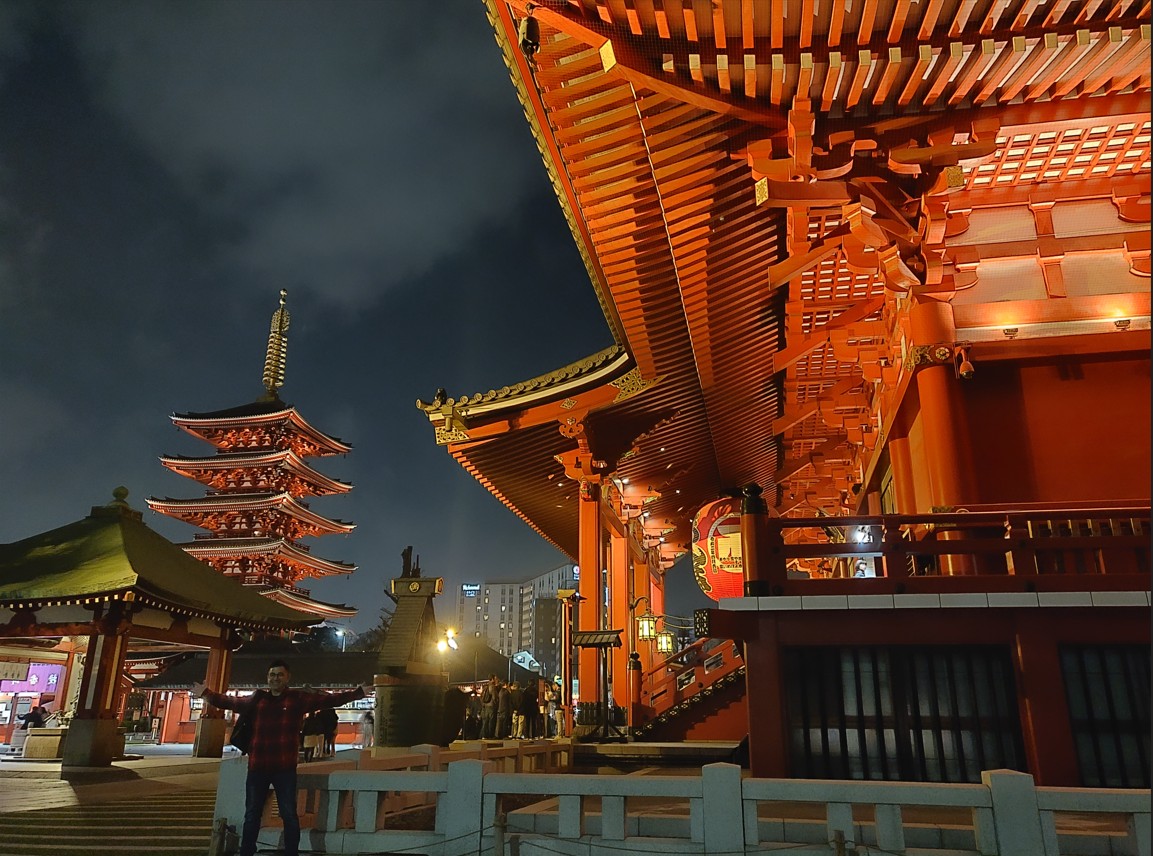
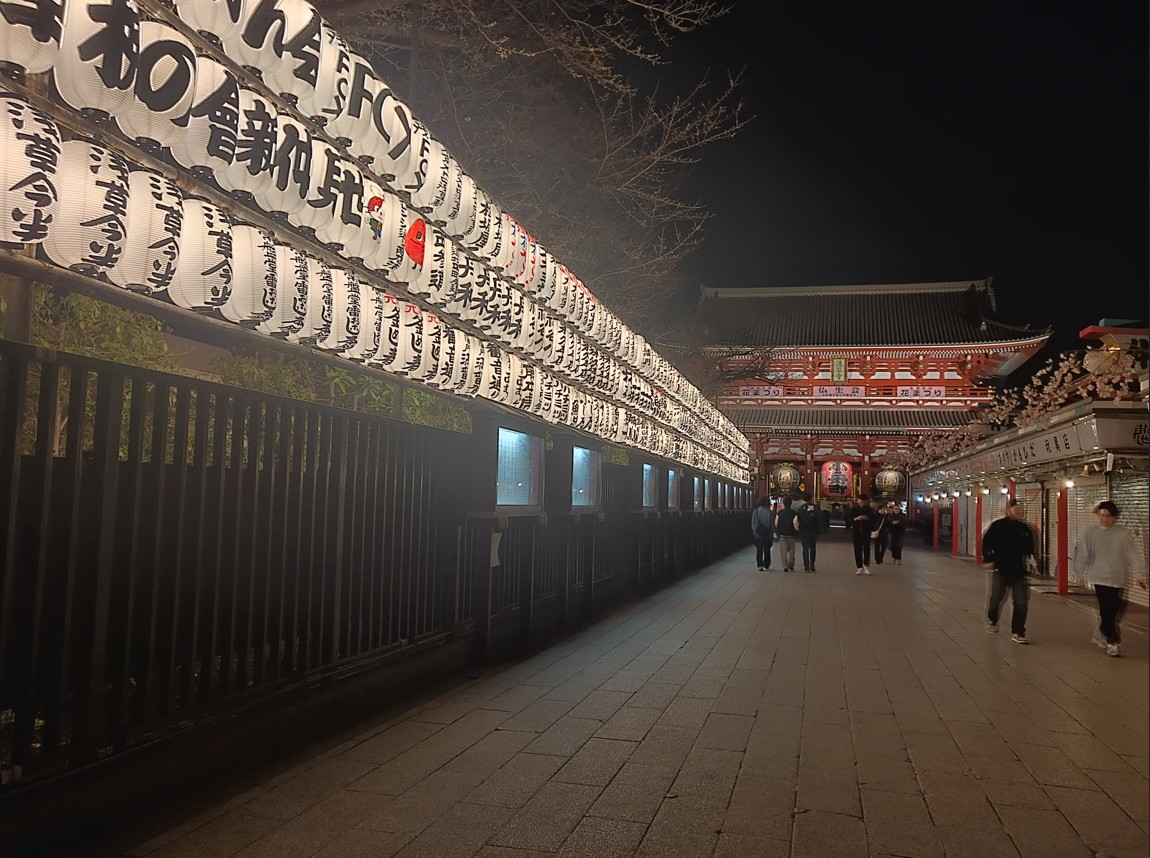
Sensoji Temple is literally across the road from OMO3 Asakusa Hotel. Entrance is free and the temple is open 24 x 7. Sensoji Temple is Tokyo’s oldest and most iconic Buddhist temple, known for its majestic red gates, towering pagoda, and vibrant Nakamise shopping street. A perfect blend of history, culture, and spirituality, it offers a serene yet lively atmosphere in the heart of Asakusa.
Asakusa Culture Tourist Information Centre is a great starting point for the day, located just a short walk from OMO3 Asakusa Hotel (free entrance).
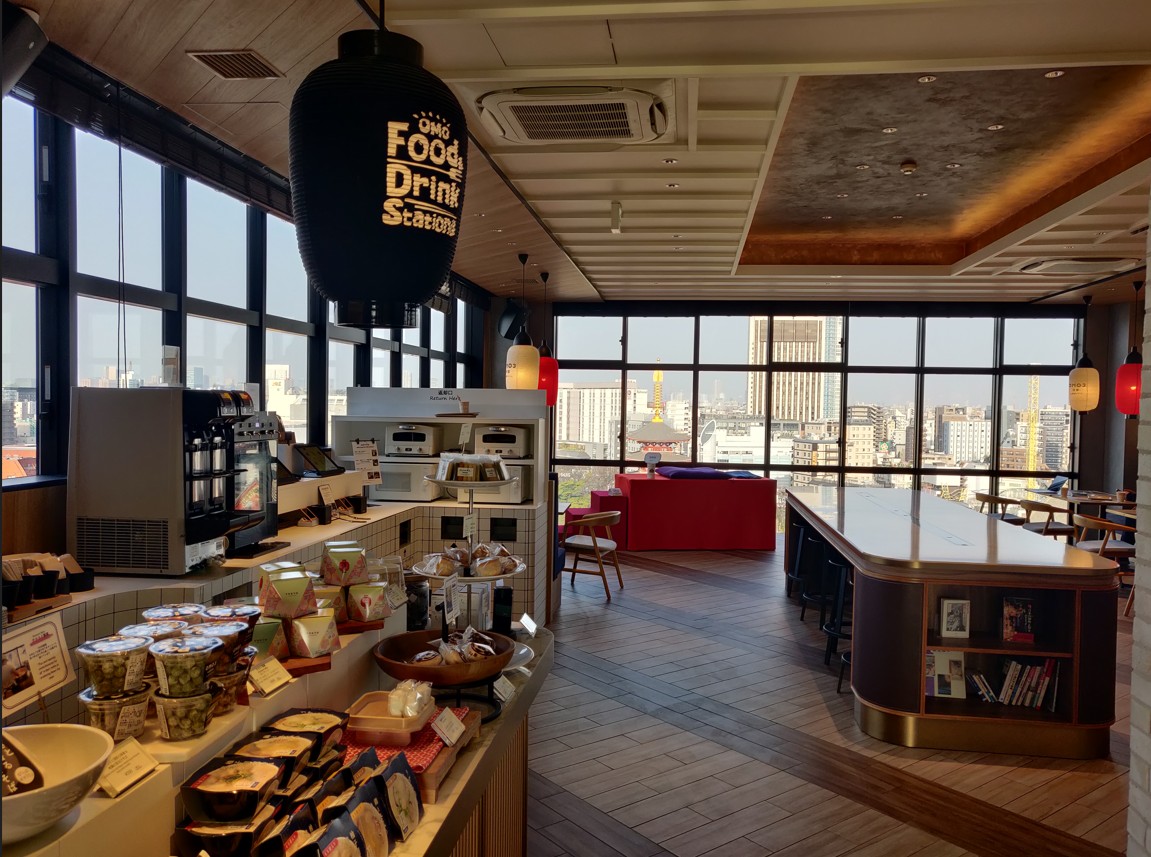
They offer free English language guided walking tours and here you can get free tourist maps, information on cultural experiences such as cooking lessons or Sumo wrestling events. Enjoy a fantastic view of Asakusa from its observation deck and open terrace on 8th floor where you will also find a cozy café offering a selection of light meals, snacks, beers and other refreshments, perfect for a relaxing break with a view.
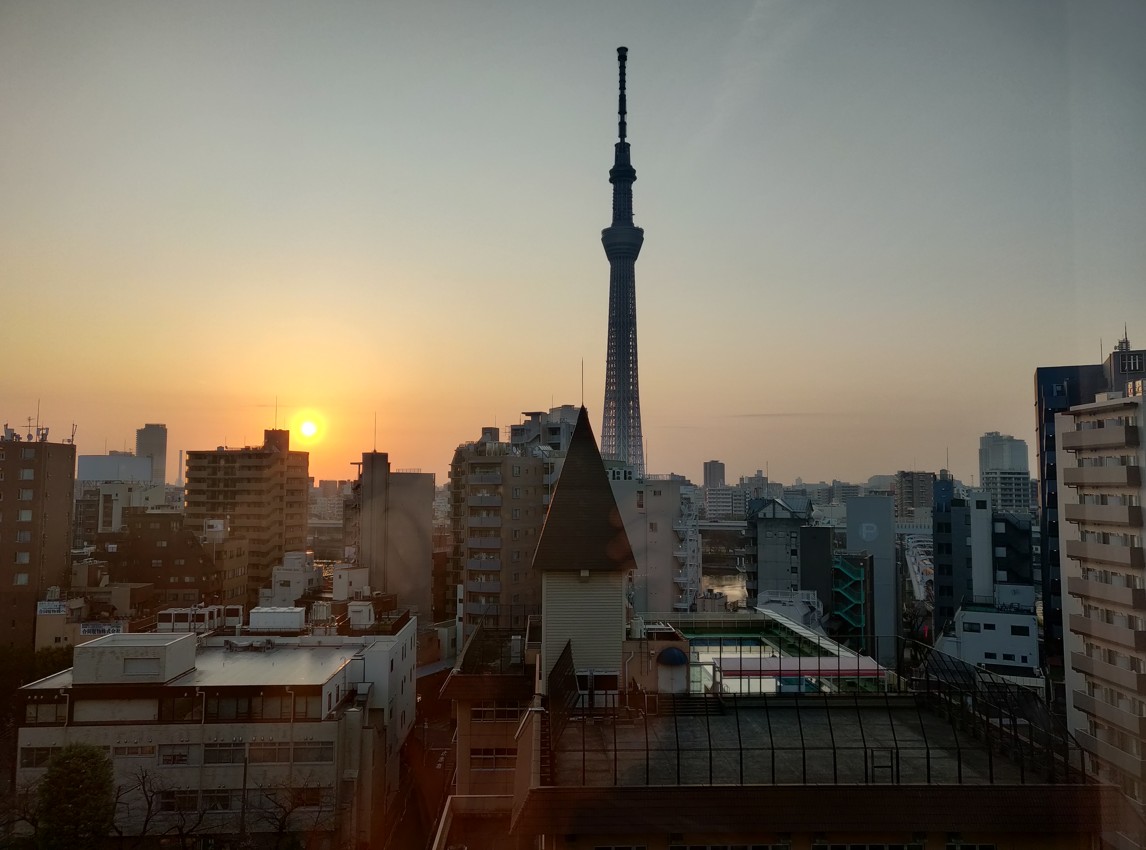
Sumida River is just a short five minute walk from Asakusa. This is a perfect spot for a walk along the river. You can cross to the other side of the river via a foot bridge, where Sumida Park is and also Tokyo Skytree.Ryogoku is a key district in Eastern Shitamachi, best known as the home of sumo wrestling and a hub for Edo-period history and culture. Located along the Sumida River, it offers a mix of traditional sports, historic sites, and museums, making it a great place to explore old Tokyo charm. It's about a 20 minute walk from Asakusa. Sumo Wrestling matches do take place at Ryogoku Kokugikan and you can visit sumo training stables. Ryogoky has Shitamachi Vibes with its narrow alleys, local eateries and old wooden buildings, giving a historical and nostalgic feel.
Tokyo, explore Shibuya
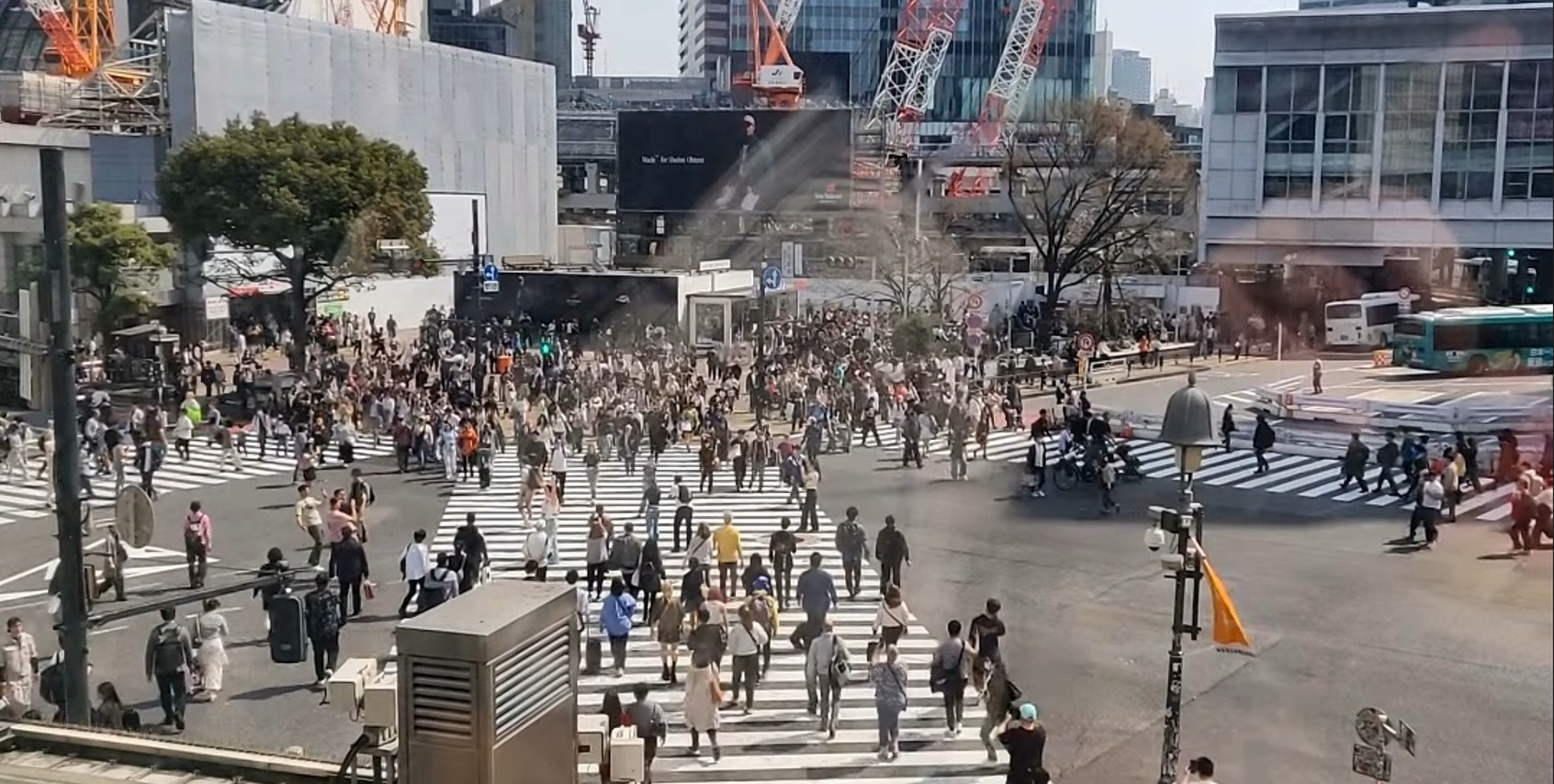
Shibuya Crossing is one of the busiest pedestrian crossings in the world, located in front of Shibuya Station in Tokyo. Famous for its organized chaos where hundreds (sometimes thousands) of people cross in multiple directions at once when the traffic lights turn red.
There are many spots to watch the crossing from above: Shibuya Sky – An observatory deck with a panoramic view. Entrance fee costs approx. £18. Starbucks Tsutaya – A second-floor café with a perfect view of the scramble. Hikarie view point, just across the street from Shibuya Scramble. Shibuya Fukuras's Shibu Niwa 17th floor rooftop garden. PARCO ROOFTOP PARK, an observation deck located on the 10th floor rooftop park of Shibuya PARCO. Shibuya Scramble building, 12th floor.
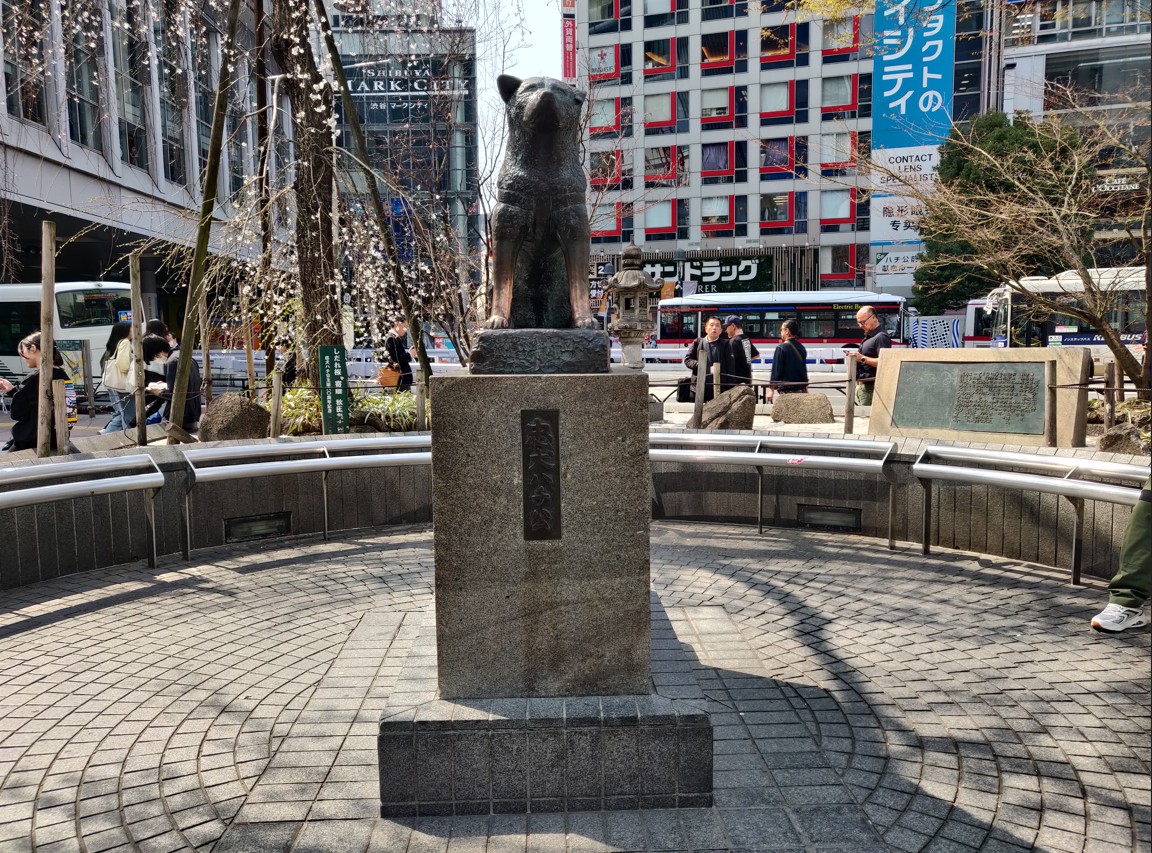
Hachiko statue is located just outside Shibuya Station. Who was Hachiko? Hachikō was an Akita dog known for his unwavering loyalty. He waited for his owner, Professor Hidesaburō Ueno, at Shibuya Station every day—even after Ueno passed away in 1925. Hachikō continued to wait for almost 10 years until he died in 1935. Takeshita Street, Harajuku. This is a very popular shopping street known for its youth fashion, quirky streetwear, second-hand shops, themed cafés, kawaii culture and trendy food. It’s a must-visit spot for anyone looking to experience Tokyo’s vibrant street style and unique pop culture. Takeshita Street is actually in Harajuku, not Shibuya. However, they are very close to each other. A short 15 to 20 minute walk or one stop by underground. When visiting Harajuku, do not miss a walk in Yoyogi Park, one of Tokyo's largest parks!Kagurazaka is a historic and cultural district in central Tokyo, known for its Edo-era charm, traditional alleys, and French influence. Once a famous geisha district, it still retains its old-world atmosphere, making it a unique mix of Japanese tradition and European sophistication. Kagurazaka is worth a visit if time allows due to its traditional Edo-Era Streets – Stone-paved alleys, preserved wooden buildings, and hidden passageways and let's not forget its Geisha Culture – One of Tokyo’s last active geisha districts. You might spot a geisha or maiko in the evening. Kagurazaka is also renowned for its food scene – Famous for kaiseki (multi-course cuisine), unagi (grilled eel), soba noodles and izakayas. Romantic & Peaceful Atmosphere – A great place for a relaxed walk, especially at night when the lantern-lit streets feel nostalgic. From Shibuya, it's just a 10 minute train ride on the Tokyo Metro Fukutoshin Line to Iidabashi Station.
Nakameguro is one of Tokyo’s trendiest neighborhoods, famous for its picturesque Meguro River Sakura, stylish cafés and hip Tokyo vibes. During cherry blossom season (late March to early April), hundreds of cherry trees bloom along the riverbanks, creating one of Tokyo’s most iconic hanami (cherry blossom viewing) spots. At night, the trees are illuminated, adding a magical touch. Nakameguro station is just 3 minutes from Shibuya Station by Tokyo Metro Hibiya Line OR Tokyu Toyoko Line.Tokyo, explore Shinjuku
Omoide Yokocho, also known as "Memory Lane", a famous narrow alleyway in Shinjuku packed with tiny eateries and izakayas. It's known for its nostalgic post-war atmosphere, smoky grilled food and lively nightlife.
Tokyo Metropolitan Government Building (Tocho) in Shinjuku, which has free observation decks on the 45th floor of its twin towers. Tokyo’s skyline looks amazing after dark!
Kabukicho Red Light district is Tokyo’s largest and most famous red-light district, located in Shinjuku. It's a neon-lit nightlife hub filled with bars, host clubs, love hotels, hostess clubs, and entertainment venues. Despite its reputation, it's also a major tourist attraction with restaurants, arcades, and unique experiences. Hotel Gracery Shinjuku, with its giant giant Godzilla head on its rooftop is located here in Kabuchiko.
Shinjuku Gyoen is a beautiful, spacious park in the heart of Shinjuku, offering a peaceful escape from Tokyo’s busy streets. It’s famous for its stunning cherry blossoms in spring, well-manicured gardens and relaxing atmosphere.
Golden Gai is a famous nightlife district in Shinjuku, known for its tiny, eclectic bars and intimate, retro atmosphere. It's a hidden gem with a unique charm, offering a glimpse into Tokyo’s past with its narrow alleyways and old-school vibe.Akihabara, Tokyo’s electronic, gaming and otaku culture hub. It’s famous for its vast selection of electronics, anime, manga, and video games. It's also known for its maid cafés and anime-themed shops, making it a unique, vibrant part of Tokyo. Akihabara is not really in Shinjuku itself but only 2 stops away by JR Yamanote Line.
Nakano is a vibrant district in western Tokyo, known for its unique blend of shopping, culture and entertainment. Nakano is generally known for its open-minded, LGBTQ+ and eclectic vibe. It offers a more relaxed and less touristy atmosphere compared to areas like Shibuya or Shinjuku, making it a great place to explore local Tokyo life. From Shinjuku, take JR Chūō Line OR JR Sobu Line and it's just a 5 minute train ride.
Bunkyo Civic Center. This is a is a government and office building known for its free observation deck on 25th floor with stunning panoramic views of Tokyo. From Shinjuku, take the Toei Oedo Line to Kasuga Station. It'll take you ten minutes to get there. It's worth the visit. Free entrance. Best time to visit: sunset.Tokyo - Lake Kawaguchiko / Mount Fuji
Take the morning bus from Tokyo/Shinjuku to Lake Kawaguchiko.
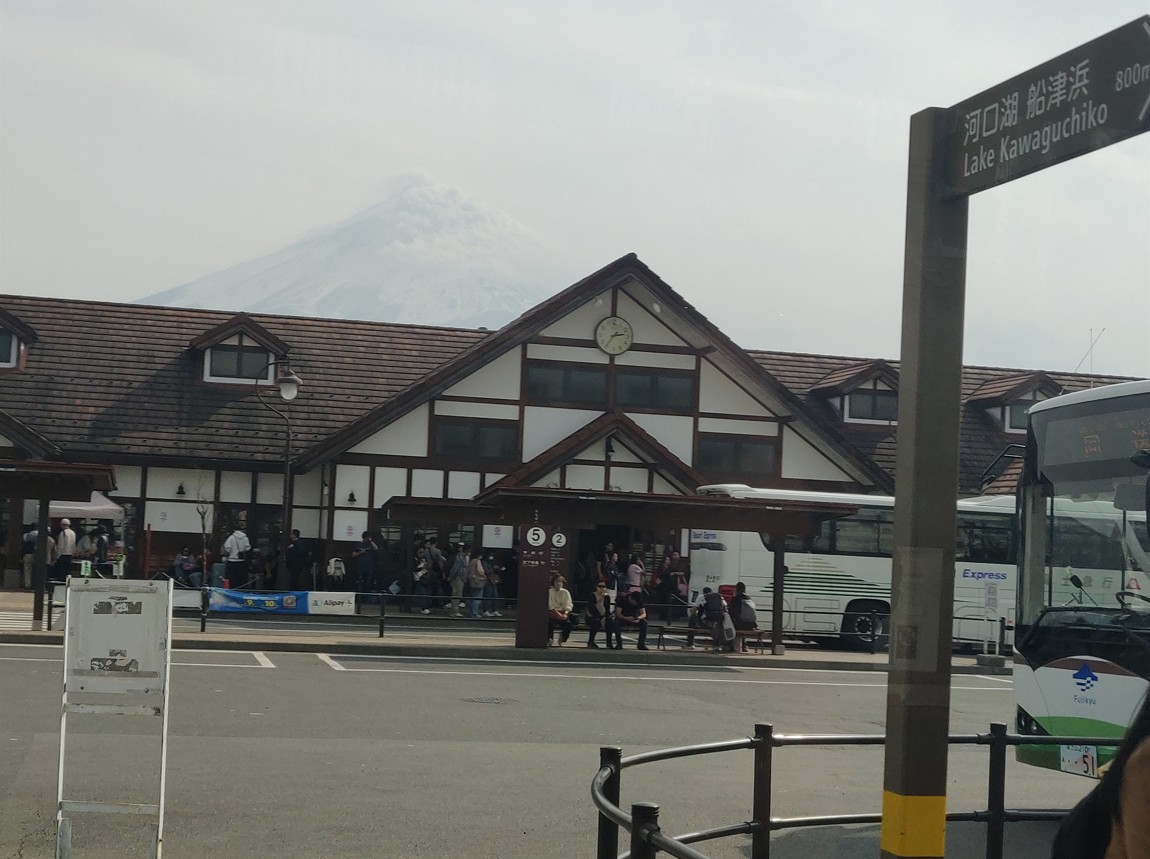
+/- 1pm Arrive at Fuji Kawaguchiko station, go to the Tourist Information office and ask them to contact Lakeland Hotel.
The hotel will then send their shuttle bus and drive you to the hotel located just ten minutes away.
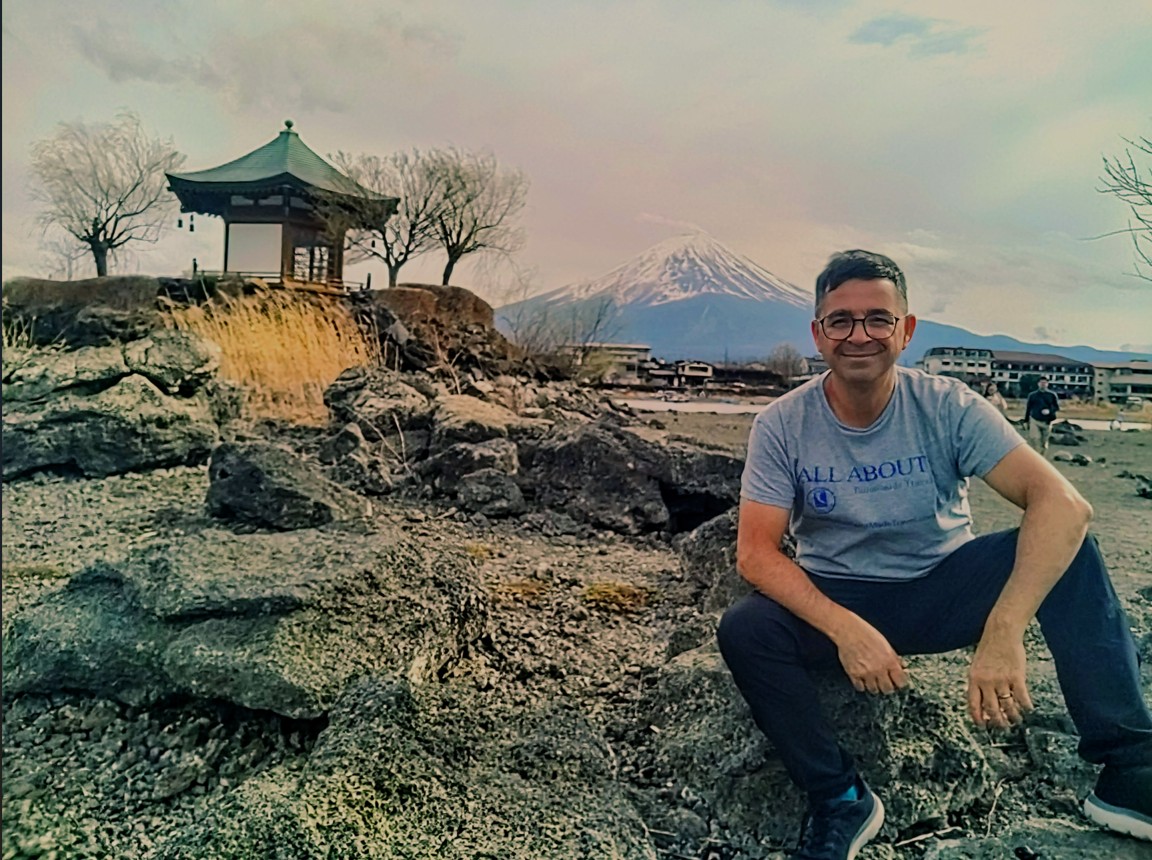
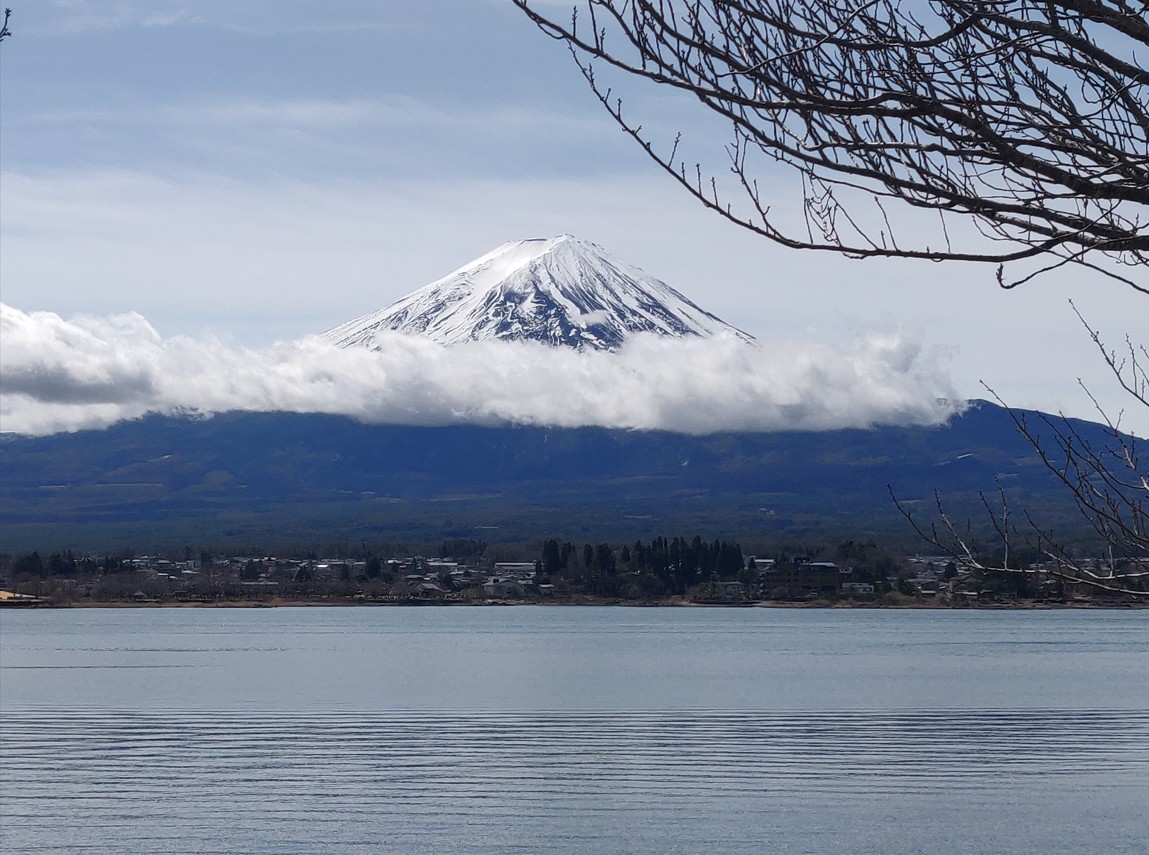
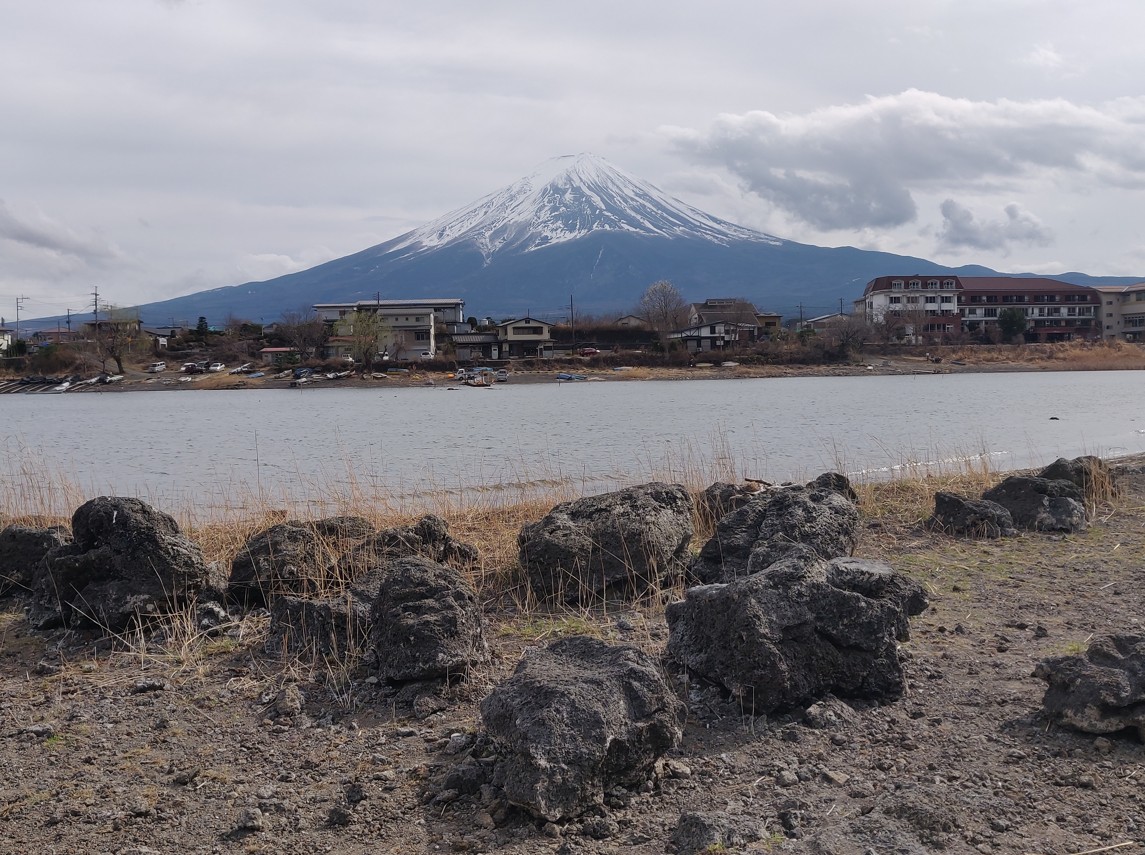
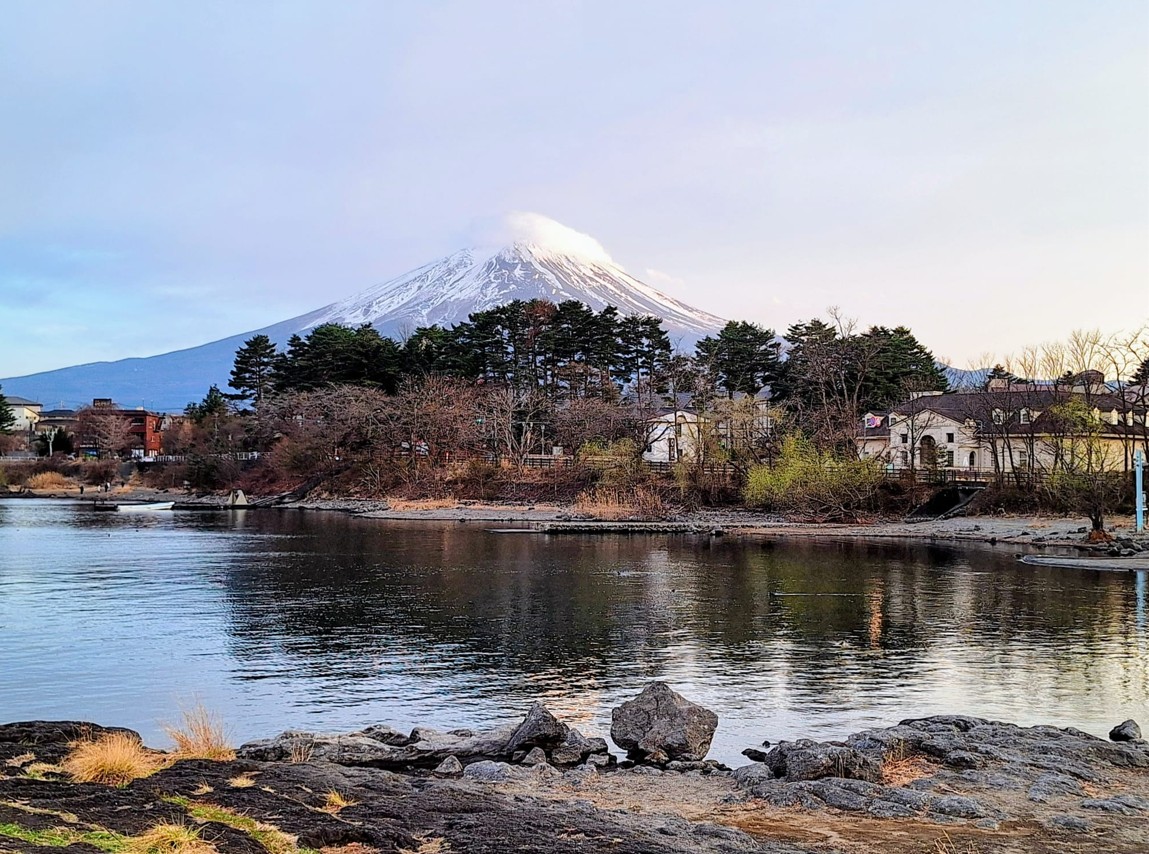
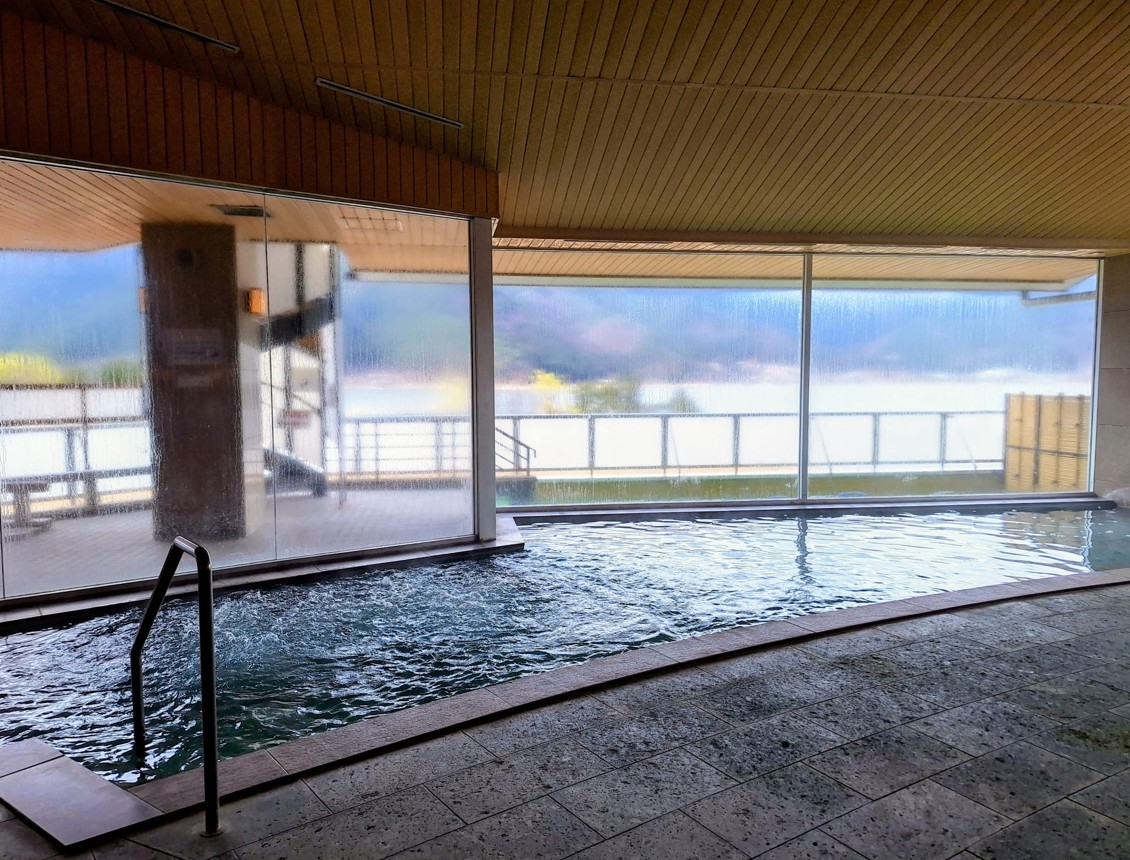
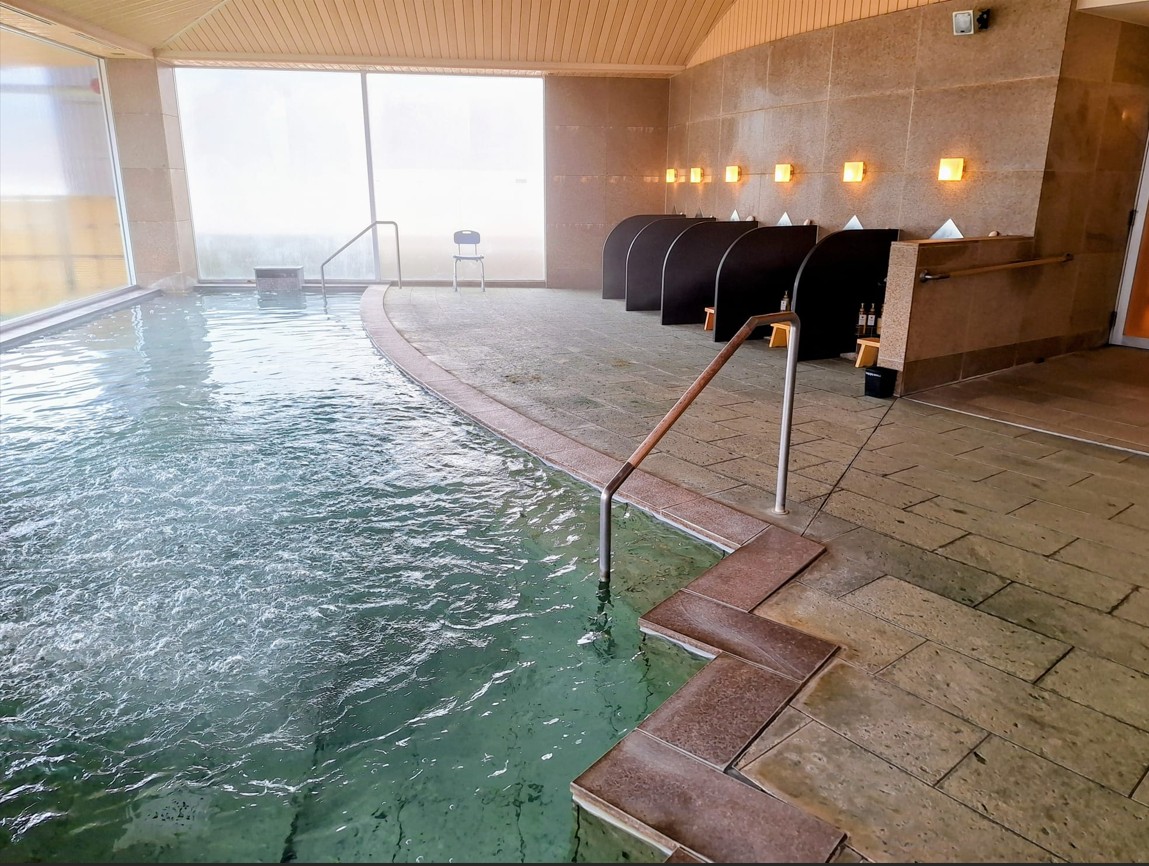
Relax in the afternoon at Oishi Park, located across the road from Lakeland Hotel where you will be able to take spectacular pictures of Mount Fuji.Enjoy Onsen ( Spa ) and sauna at your hotel ( free of charge ) with indoor and outdoor heated pools.
- 2 nights Traditional Japanese room at Lakeland Hotel Mizunosato, Fujikawaguchiko ( Mount Fuji ).
Lake Kawaguchiko / Mount Fuji
Renting a bicycle at Lake Kawaguchiko is a great idea!
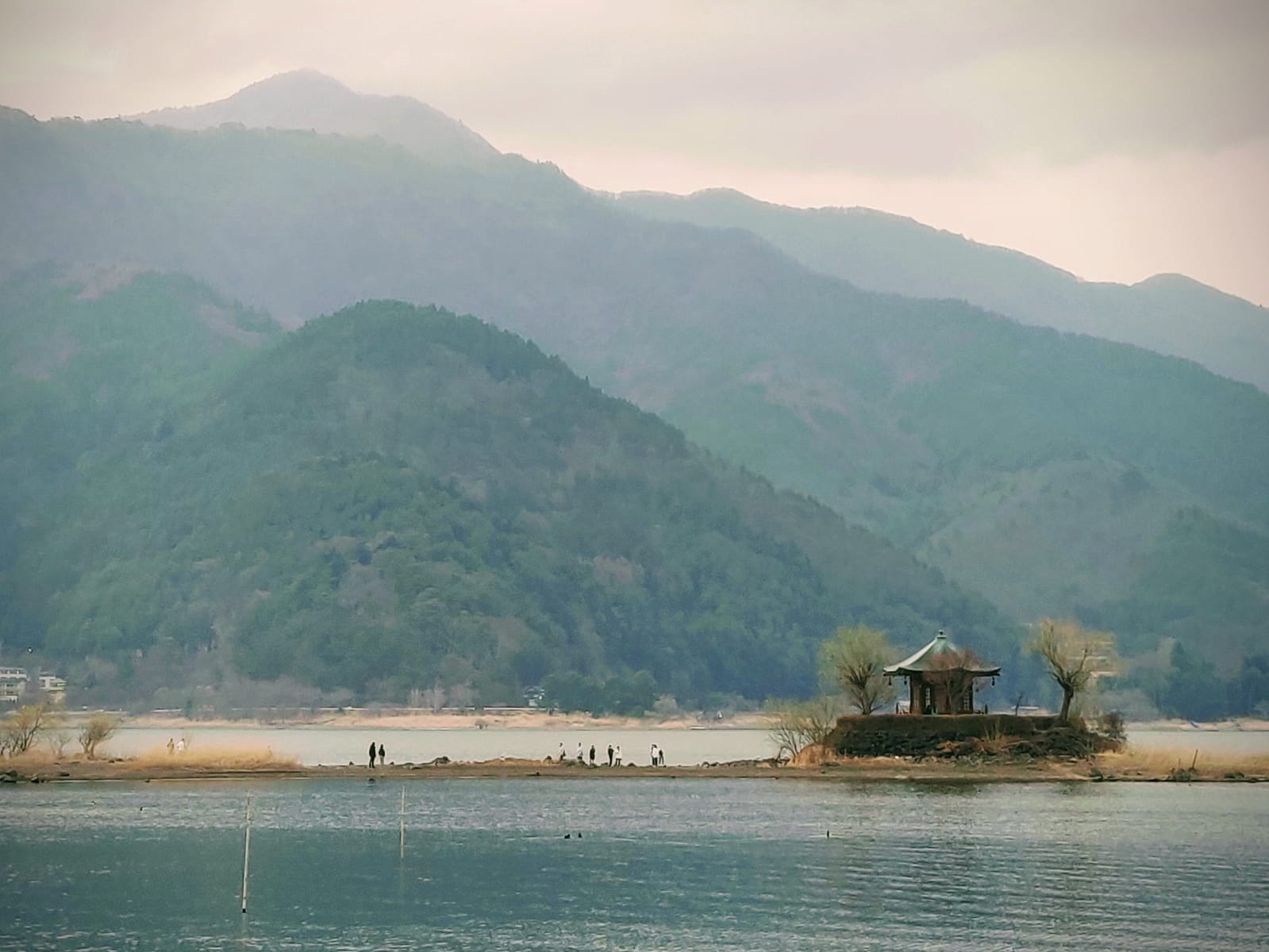
The area is bike-friendly, and cycling around the lake offers stunning views of Mount Fuji and the surrounding nature.
You can ride along the scenic lakeside path, stopping at viewpoints, local attractions, and charming cafes.
Renting a bike gives you the freedom to explore at your own pace, and it's an enjoyable way to take in the beauty of the region.
There are several rental shops near the lake, and you can easily find options for both regular and electric bikes. The price for an all day e-bike rental is under £15 per person.
Lake Kawaguchiko / Mount Fuji - Kyoto
After breakfast, depart from your hotel and make your way to Kyoto. Travel duration: +/- 5 hours.
Your hotel shuttle will take you to Lake Kawaguchiko bus station.
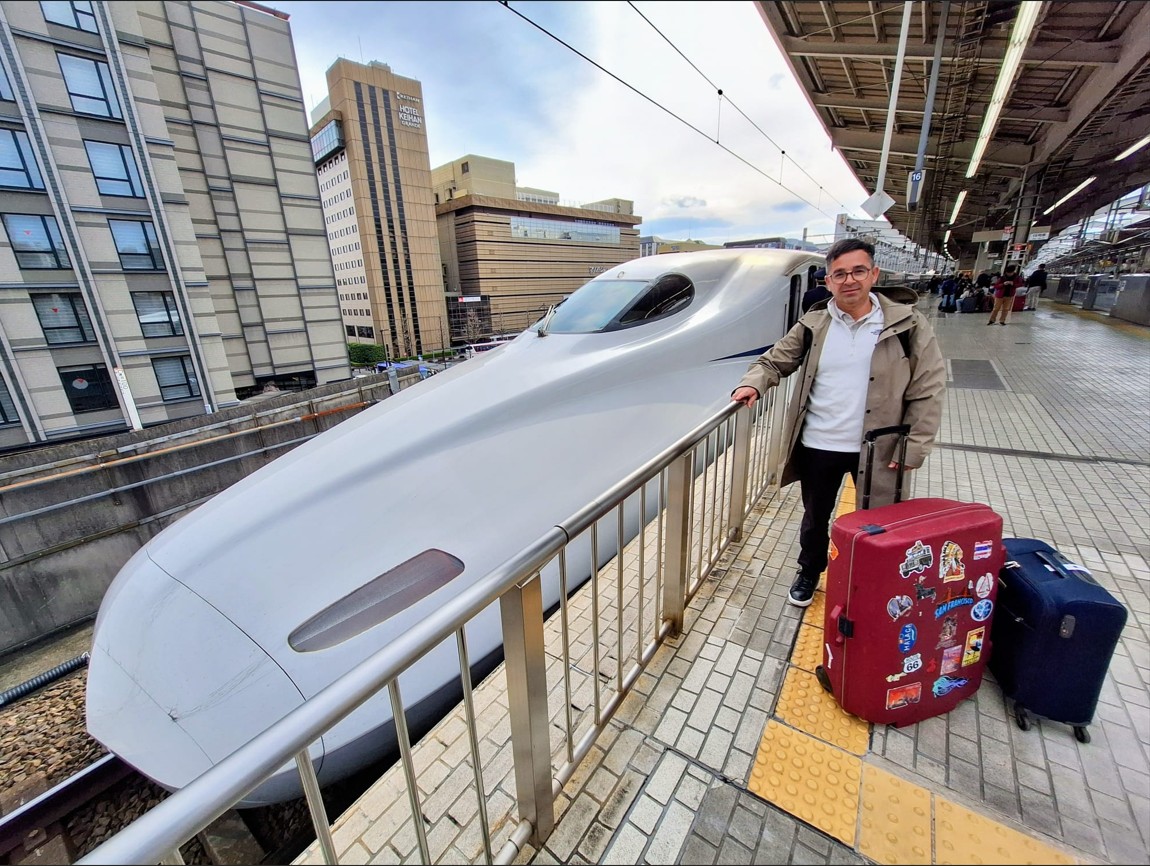
With your bus ticket booked by us, take a one hour bus to Mishima bus station, then take your pre booked Shinkansen bullet train to Kyoto.
Arrive in Kyoto and rest of the day free at leisure.
- 3 nights double room at Apa Hotel Kyoto Gion Excellent, Kyoto's Geisha district.
Kyoto, Cultural and Historical Highlights
Morning:
Kinkaku-ji (Golden Pavilion): Start your day early by visiting the iconic Kinkaku-ji, Kyoto's stunning Zen Buddhist temple covered in gold leaf. Enjoy a peaceful walk around its beautiful gardens and the reflecting pond.
Ryoan-ji: Just a short distance away, explore the famous rock garden at Ryoan-ji, a UNESCO World Heritage Site. Take in the minimalist design and serene atmosphere.
Lunch: Head to the nearby Arashiyama district for a delicious traditional Japanese lunch, perhaps enjoying some Kyoto-style sushi or kaiseki (multi-course meal).
Afternoon:
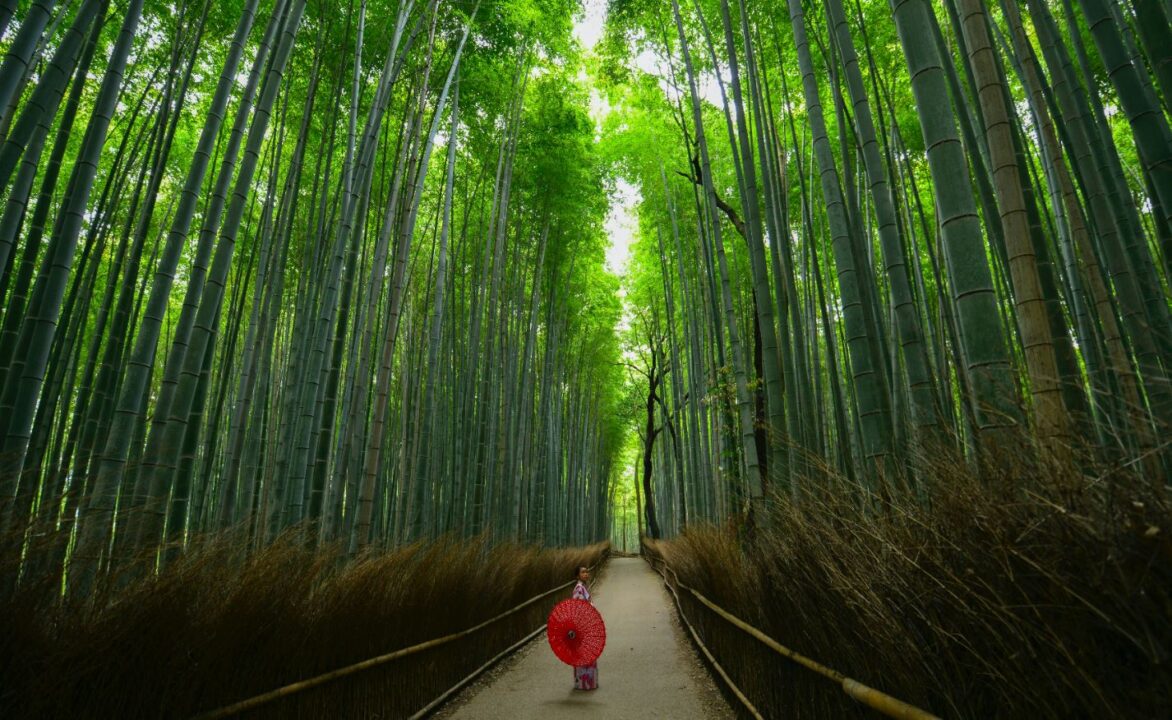
Arashiyama Bamboo Grove: Wander through the enchanting bamboo forest in Arashiyama. Afterward, stroll over to the nearby Tenryu-ji Temple, one of Kyoto’s most important Zen temples, and enjoy its beautiful garden.
Iwatayama Monkey Park: If you’re up for a short hike, head up to the monkey park for stunning views of Kyoto and some close encounters with the local macaques.
Evening:
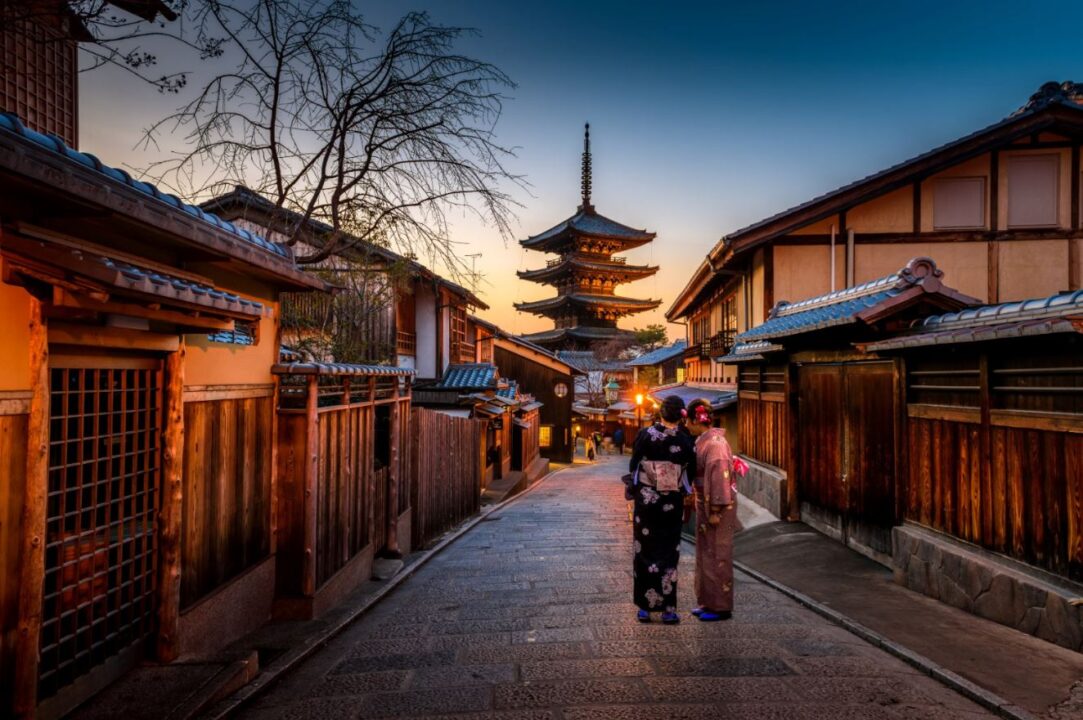
Gion District: Spend your evening exploring the historic Gion district, Kyoto’s famous geisha quarter. Wander through its narrow streets lined with traditional wooden machiya houses, and if you're lucky, you might spot a geisha or maiko on their way to an appointment.
Dinner: Enjoy dinner at one of Gion's many restaurants, perhaps savoring kaiseki or a traditional Kyoto-style dish like yudofu (tofu hot pot).
Kyoto, Temples, Gardens, and Scenic Views
Morning:
Fushimi Inari Taisha: Start the day early with a visit to Fushimi Inari, one of Kyoto’s most famous sites. Walk through thousands of red torii gates that lead up Mount Inari. It’s a beautiful and spiritual journey that takes around 2-3 hours depending on how far you go.
Lunch: Enjoy a meal near Fushimi Inari, such as Inari-zushi (sushi wrapped in seasoned rice and served in a pouch of tofu skin) or a bowl of ramen.
Afternoon:
Kiyomizu-dera: Head to Kiyomizu-dera, a UNESCO World Heritage Site with stunning views of Kyoto from its large wooden platform. The temple is famous for its “Otawa Waterfall” and its beautiful cherry blossom views in the spring.
Philosopher's Path: Take a peaceful walk along the Philosopher's Path, a scenic canal-side walk lined with hundreds of cherry trees (especially lovely during sakura season). Stop at Ginkaku-ji (Silver Pavilion), a Zen temple known for its beautiful garden and serene atmosphere.
Evening:
Nishiki Market: Wrap up your time in Kyoto with a visit to Nishiki Market, a lively street market filled with fresh produce, local specialties, and street food. Try some Kyoto delicacies such as pickles, mochi, or yuba (tofu skin).
Dinner: End your Kyoto experience with dinner at a local restaurant, perhaps trying some kaiseki (traditional multi-course meal) or yudofu (tofu hot pot), which Kyoto is known for.
Kyoto - Hiroshima
Make your way to Kyoto train station for your Shinkansen bullet train to Hiroshima which will take approximately 1 hour 30 minutes.
Afternoon free at leisure. Hiroshima Peace Memorial Park is just a short three minute walk from your hotel.
- 2 nights Park view room breakfast included at Hotel Mystays Hiroshima Peace Park.
Hiroshima
- Photogenic “Floating” Torii Gate
- Itsukushima Shrine’s colossal red torii appears to float on the water at high tide—one of the world’s most celebrated vistas.
- Sunrise and sunset light beautifully accentuate the gate’s reflection, offering unforgettable photo opportunities.
- UNESCO World Heritage & Ancient Shrine Complex
- The shrine dates back to the 6th century, with the current structures rebuilt in the 12th century.
- Stilted halls connected by boardwalks give you a sense of walking on water—an architectural marvel nestled in a bay.
- Wild Deer & Carefree Ambiance
- Friendly, free-roaming deer wander the streets, much like in Nara—perfect for animal lovers.
- Their curious antics add a playful, almost fairytale-like vibe to your strolls.
- Mount Misen’s Panoramic Hike
- A network of trails ascends through mossy forests to the summit of Mount Misen (530 m).
- At the top, expect sweeping views of the Seto Inland Sea’s emerald isles—particularly stunning on clear days.
- Ancient Sacred Sites & Forest Pathways
- Along the way you’ll find hidden temples, moss-covered lanterns, and centuries‑old camphor trees revered in Shinto belief.
- The “Momijidani” (Maple Valley) offers gorgeous foliage—especially radiant in autumn.
- Local Treats & Momiji Manjū
- Sample “momiji manjū,” maple‑leaf–shaped cakes filled with sweet bean paste (and sometimes chestnut or chocolate).
- Don’t miss fresh oysters from Hiroshima—served grilled or raw.
- Serene Beach & Floating Onsen
- Tsutsumigaura Beach provides a tranquil bay to relax or paddle in calm waters.
- Nearby, hot spring resorts offer seaside onsen baths overlooking the water.
- Compact, Car‑Free Island
- At just 30 km², it’s easy to explore on foot or by bike.
- No cars except service vehicles—peaceful streets and safe lanes.
- Easy Access from Hiroshima
- A short 30 min JR train ride + 10 min ferry from Hiroshima makes it a convenient day trip—or an overnight stay for quieter evening shrine vistas.
- Deep Cultural & Spiritual Resonance
- The island itself has been considered sacred since ancient times—locals historically avoided burial or agriculture here to preserve purity.
- Visiting gives a window into Shintoism’s reverence for nature, water, and the divine.
Hiroshima - Osaka
Arrive at Osaka's main train station and make your way to your Osaka hotel using your Suica Card.
We have chosen a hotel in Osaka located in the vibrant and elegant neighbourhood of Yodoyabashi.
- 3 nights double room at APA Hotel & Resort Osaka Namba Ekimae Tower, Osaka
Osaka
Enjoy a morning walk along the Tosahori River or go shopping at nearby D-Building shopping centre located about ten minutes from your confirmed hotel. Prices are around 50% cheaper in shops like Muji or Uniqlo compared to UK prices! If you visit an optitian, like JINS optitian for example, they will check your eye sight and have high quality glasses ready for you in 30 minutes from as little as £45!
There are a couple of locations to visit in the evening:
Dōtonbori at night dazzles with neon-lit canal reflections, bustling street food stalls (takoyaki, okonomiyaki), and vibrant crowds. Its energetic atmosphere, iconic Glico running man sign, and riverside promenades make for an unforgettable sensory feast.
The other iconic nighttime spot in Osaka featuring a tower is Tsūtenkaku in the Shinsekai district. Often called “The Eiffel Tower of Osaka,” Tsūtenkaku is beautifully illuminated after dark and offers an observation deck with sweeping views over the city’s neon-lit streets.
Osaka
Return home

What's included in this Tokyo, Mount Fuji, Kyoto, Hiroshima and Osaka holiday
Everything below is included in the price from £{{X}} per person, based on two people sharing, with your holiday fully ATOL protected.
Scheduled flights
- London to Tokyo direct, British Airways.
- Osaka to London via Tokyo, Japan Airlines and British Airways.
Manchester, Birmingham, Glasgow, Edinburgh and other UK regional departures available with alternative airlines. Checked baggage allowance: {{confirm}}.
Accommodation, 14 nights
Room only unless stated against the hotel. Hotel and room upgrades available on request.
- 4 nights double room at APA Hotel Shinjuku Gyoemmae, Tokyo.
- 2 nights traditional Japanese room with lake views, breakfast included, at Lakeland Hotel Mizunosato or similar, Fujikawaguchiko, at the foot of Mount Fuji.
- 3 nights double room at APA Hotel Kyoto Gion Excellent, in Kyoto's Gion geisha district.
- 2 nights double park view room, breakfast included, at Hotel Mystays Hiroshima Peace Park, Hiroshima.
- 3 nights double room at APA Hotel & Resort Osaka Namba Ekimae Tower, Osaka.
Lakeland Hotel Mizunosato runs a complimentary shuttle between Kawaguchiko station and the hotel, about five minutes. On arrival, ask the staff at the tourist information desk in the station to telephone the hotel and they will do so free of charge; if the desk has closed, call the hotel yourself or take a short taxi ride. Check the shuttle timings before you book. The hotel lends kimonos to wear in the restaurant and has its own onsen, both at no charge.
Rail and coach travel
- Coach ticket Tokyo to Lake Kawaguchiko, around 1 hour 45 minutes.
- Coach and Shinkansen bullet train tickets Lake Kawaguchiko to Kyoto via Mishima, around 4 hours in total.
- Shinkansen bullet train Kyoto to Hiroshima, around 1 hour 50 minutes.
- Shinkansen bullet train Hiroshima to Osaka, around 1 hour 20 minutes.
Seat reservations: {{confirm whether reserved or non-reserved seating is issued}}.
Other services included
- ATOL Certificate, licence number 10510, issued at time of booking for your financial protection.
- One named consultant from your first enquiry to your return.
What's not included: costs to budget for
The package covers your return flights, fourteen nights' accommodation and every coach and bullet train journey between the five places you stay. These are the costs to allow for on top.
Airport transfers
Transfers are not included at either end. Coming in to {{Haneda or Narita}}, the Airport Limousine Bus stops at the larger Shinjuku hotels and takes {{about 90 minutes}} for {{£X}} per person, which is the easiest option with luggage; the train is quicker but leaves you to cross Shinjuku station, the busiest in the world. Going home, Osaka Namba to Kansai airport is {{about 40 minutes}} on the Nankai Rapi:t for {{£X}} per person, and the station is directly under your Osaka hotel. We can book private cars at either end from {{£X}} per vehicle if you would rather not think about it.Meals
Breakfast is included at Fujikawaguchiko and Hiroshima only. Everywhere else, and every lunch and dinner of the fourteen days, is yours to budget for. Eating out is not expensive by London standards: ramen or a plate at a conveyor sushi counter is {{£X}}, a set lunch on a department store restaurant floor {{£X}}, and a full dinner with drinks {{£X}} a head. Hiroshima's okonomiyaki and Osaka's street food in Dotonbori, two minutes from your hotel, are both {{£X}} or so. The one meal worth booking ahead is dinner at Mizunosato, a traditional multi-course Japanese dinner served in the hotel at {{£X}} per person, payable locally. Tipping is not expected anywhere in Japan and will usually be refused.Daily spending
Buy an IC card on arrival — Suica or Pasmo in Tokyo, Icoca in the west, all valid across the country — and load {{£X}} to start. Single metro journeys are {{£X}}, Kyoto's buses a flat {{£X}}, and a full day of moving around rarely passes {{£X}} per person. Taxis are the exception, at {{£X}} across central Tokyo after the last train. On an itinerary with five hotels, luggage forwarding is the thing worth knowing about: for {{£X}} per case your hotel will send a suitcase ahead overnight, so you travel with an overnight bag. It is worth using for the Kyoto to Hiroshima and Hiroshima to Osaka legs in particular, and ask us about Kawaguchiko, where the service is more limited.Entry fees and rail passes
Temples and shrines charge at the gate, usually {{£X}} to {{£X}} each, and two or three a day is a normal pace in Kyoto, so allow {{£X}} per person per day there. Fushimi Inari, Nishiki market and the Gion streets are free. In Hiroshima, the Peace Memorial Museum is {{£X}} and the Peace Park itself is open. On Miyajima, the ferry is {{£X}} return, Itsukushima shrine {{£X}}, and there is a separate island visitor tax of {{£X}}. The nationwide Japan Rail Pass is not included and will not pay for itself on this trip: all four long journeys are already booked, and the pass has to be bought before you leave the UK.Optional excursions
Nothing here is guided, which leaves your days open in each city. The additions our clients make most often are Miyajima as a half day from Hiroshima, which needs no guide at {{£X}} in fares, or {{£X}} per person with one; Nara from Kyoto or Osaka at {{£X}} per person; and a guided walk of Asakusa or the Tsukiji outer market in Tokyo at {{£X}}. At Mount Fuji, the Kachi Kachi ropeway and a lake cruise are {{£X}} together, and the Fuji Five Lakes bus pass is {{£X}} for two days. We can book any of these before you travel so they are confirmed and paid for in English.Visas and entry requirements
British passport holders do not currently need a visa for a tourist stay of this length, and there is nothing to pay. Your passport must be valid for the whole of your stay. Japan asks arrivals to complete an online immigration and customs declaration before landing, which is free and takes a few minutes. Check the current requirements on gov.uk shortly before you travel, and tell us when you book if you hold a passport from another country.Hotel and room upgrade options
The APA hotels in this package are central, reliable and simple, and the rooms are small. If you would rather have more space or a building with some character in the two cities where you stay longest, these are the alternatives we book most often.
Tokyo
- OMO3 Asakusa by Hoshino Resort — in the older east of the city beside Senso-ji, for a first trip to Japan that you want to feel less like a business hotel.
- Gracery Hotel Shinjuku — larger rooms a few minutes from Shinjuku station, in the Kabukicho building with the Godzilla head on the roof.
From {{£X}} per person per night.
Kyoto
- The Machiya Ebisuya boutique hotel — a restored wooden townhouse taken as a whole rather than a hotel room, for a couple who want the house to themselves.
From {{£X}} per person per night. Any other Kyoto hotel can be quoted on request.
Mount Fuji, Hiroshima and Osaka
- Lakeland Hotel Mizunosato is booked as a traditional Japanese room with lake views; a room with a private open-air bath can be quoted where available.
- Hiroshima and Osaka can be upgraded to any hotel you prefer — tell your consultant what you have in mind.
From {{£X}} per person per night.