
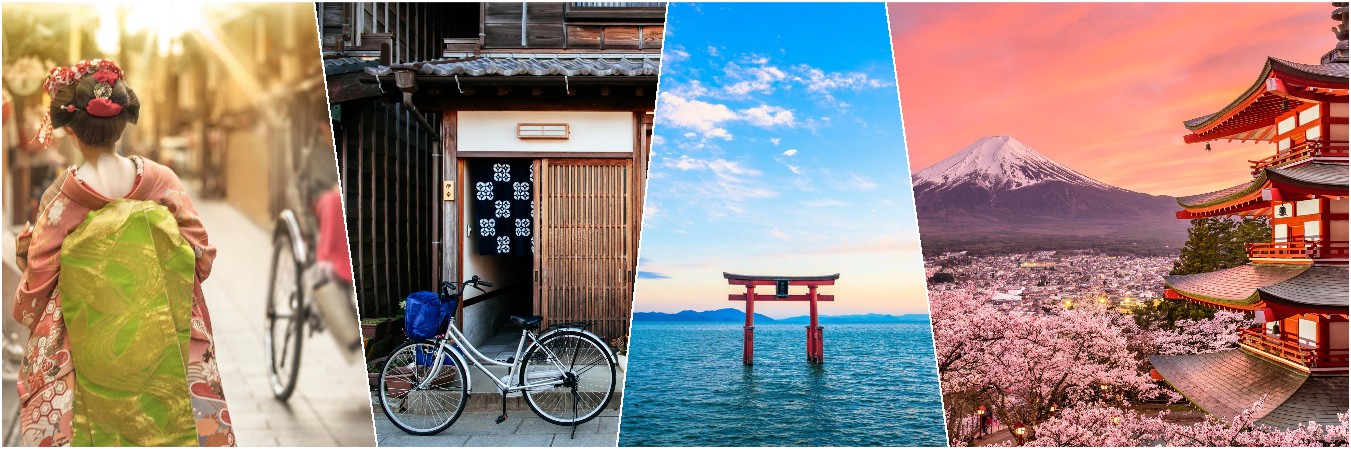
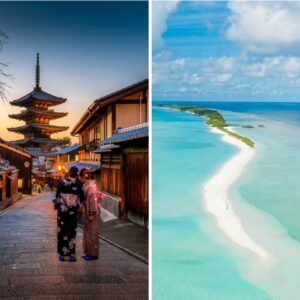
All About Tailor Made Travel plans bespoke, twin centre and multi centre holidays to Japan, from eight nights covering Tokyo and Kyoto to seventeen-night routes taking in Mount Fuji, Hiroshima, Osaka and Kanazawa. Prices start at £1,395 per person including flights from the UK, hotels, bullet train tickets and ATOL protection. We were named Bespoke Tour Operator of the Year in 2025 and have been building Japan itineraries since 2010.
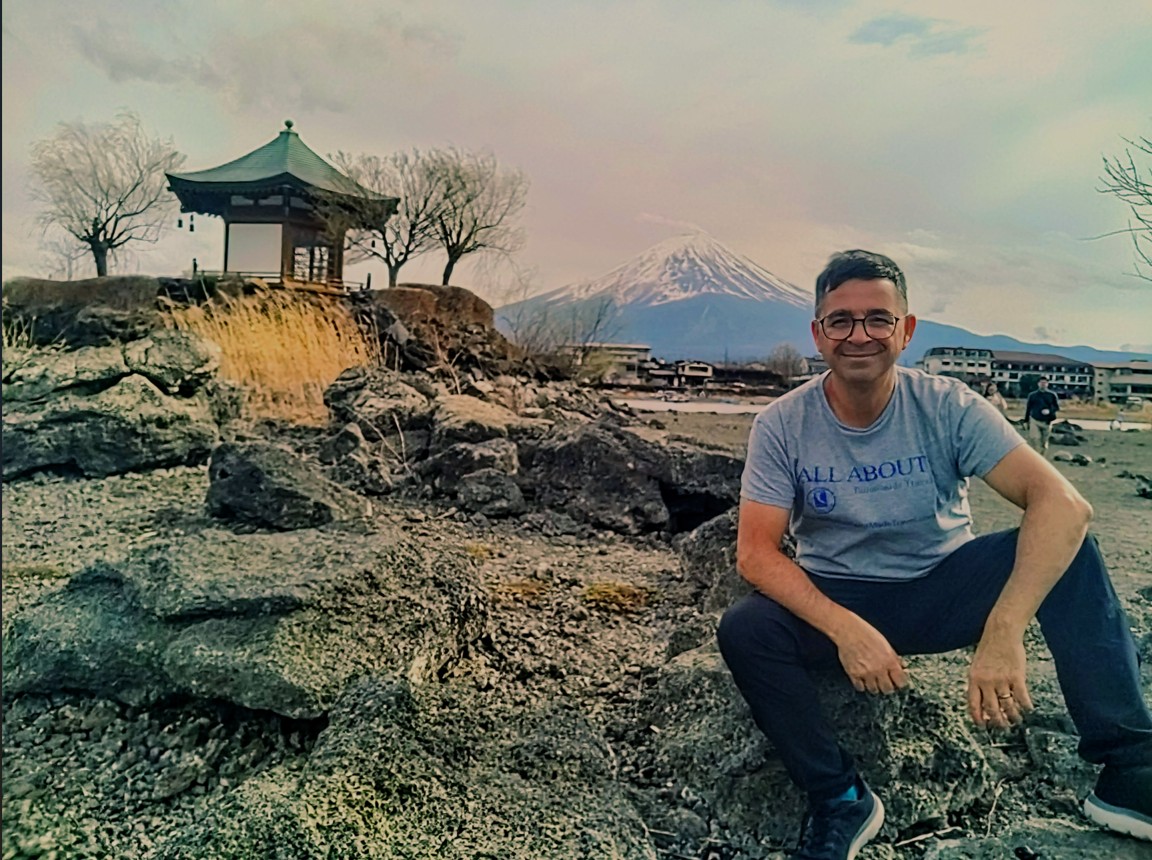
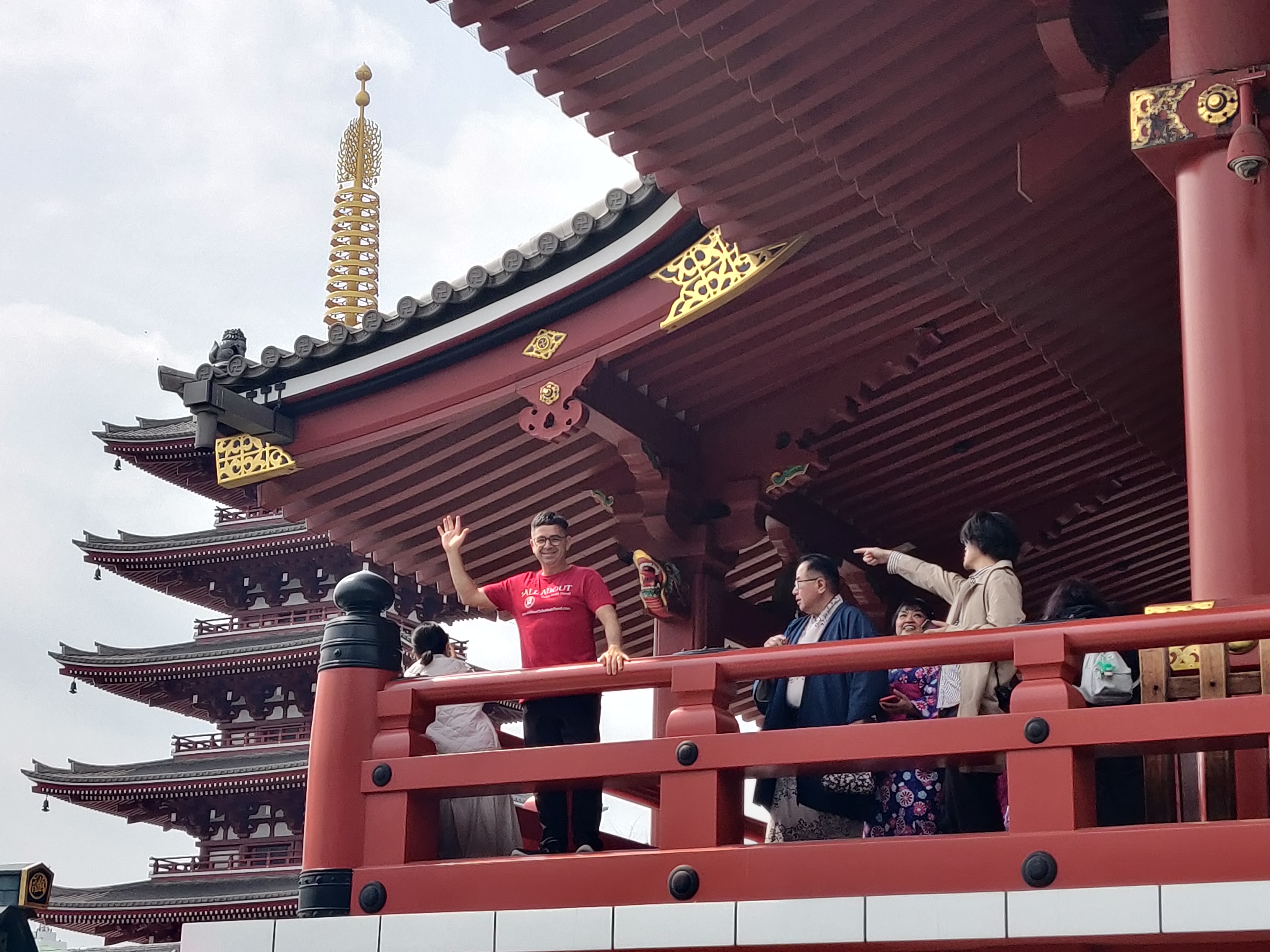
Japan twin centre and multi centre holidays
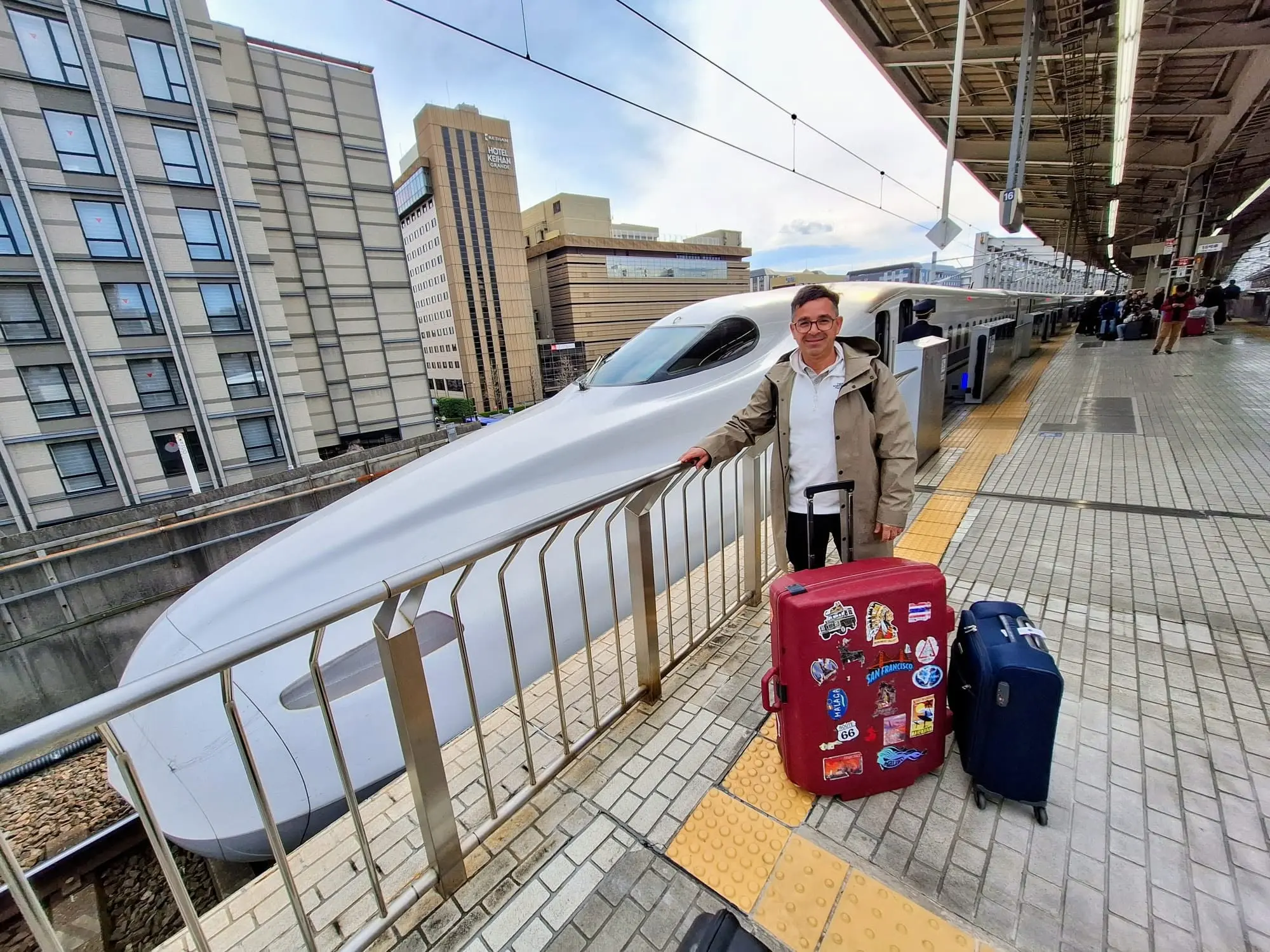
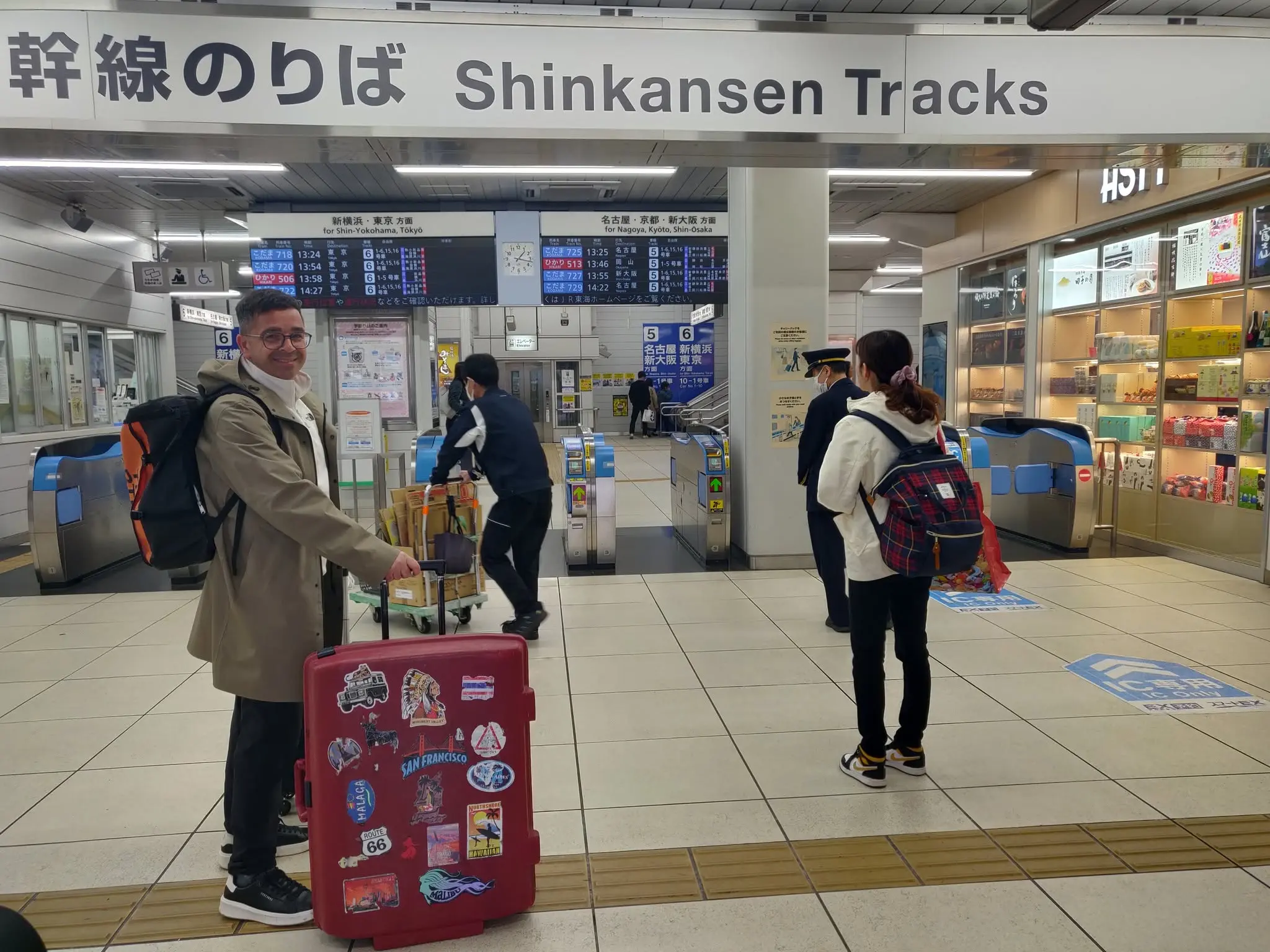
Japan is the easiest country in the world to travel as a multi centre holiday, and the reason is the trains. The Shinkansen runs city centre to city centre — Tokyo to Kyoto in two hours fifteen minutes, Kyoto to Hiroshima in under two — with no airport, no check-in and no security queue. Adding a city costs you an afternoon rather than a day.
Where to go on a first trip to Japan
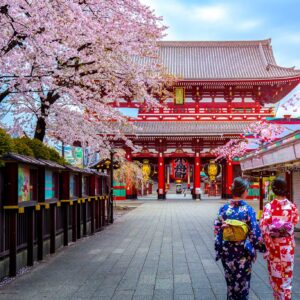
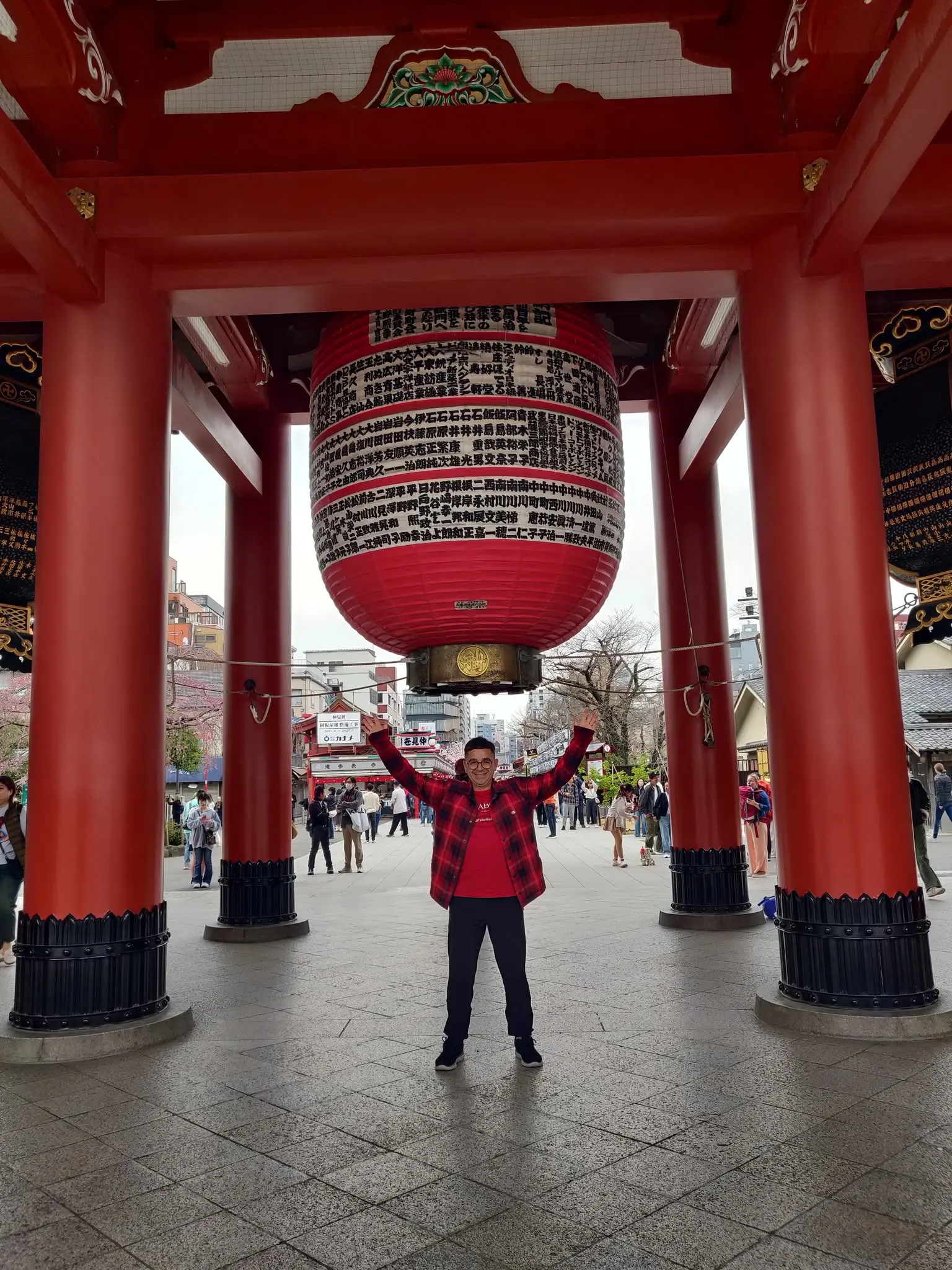
Tokyo. Shibuya Crossing, Shinjuku and Kabukicho in the centre, Asakusa for the old city and Senso-ji, Akihabara for electronics, and Odaiba out on the bay. Four nights is the minimum that works.
Kyoto. Seventeen UNESCO World Heritage sites, the tea houses of Gion, and temple gardens that empty out by early evening. The half of Japan people remember afterwards.
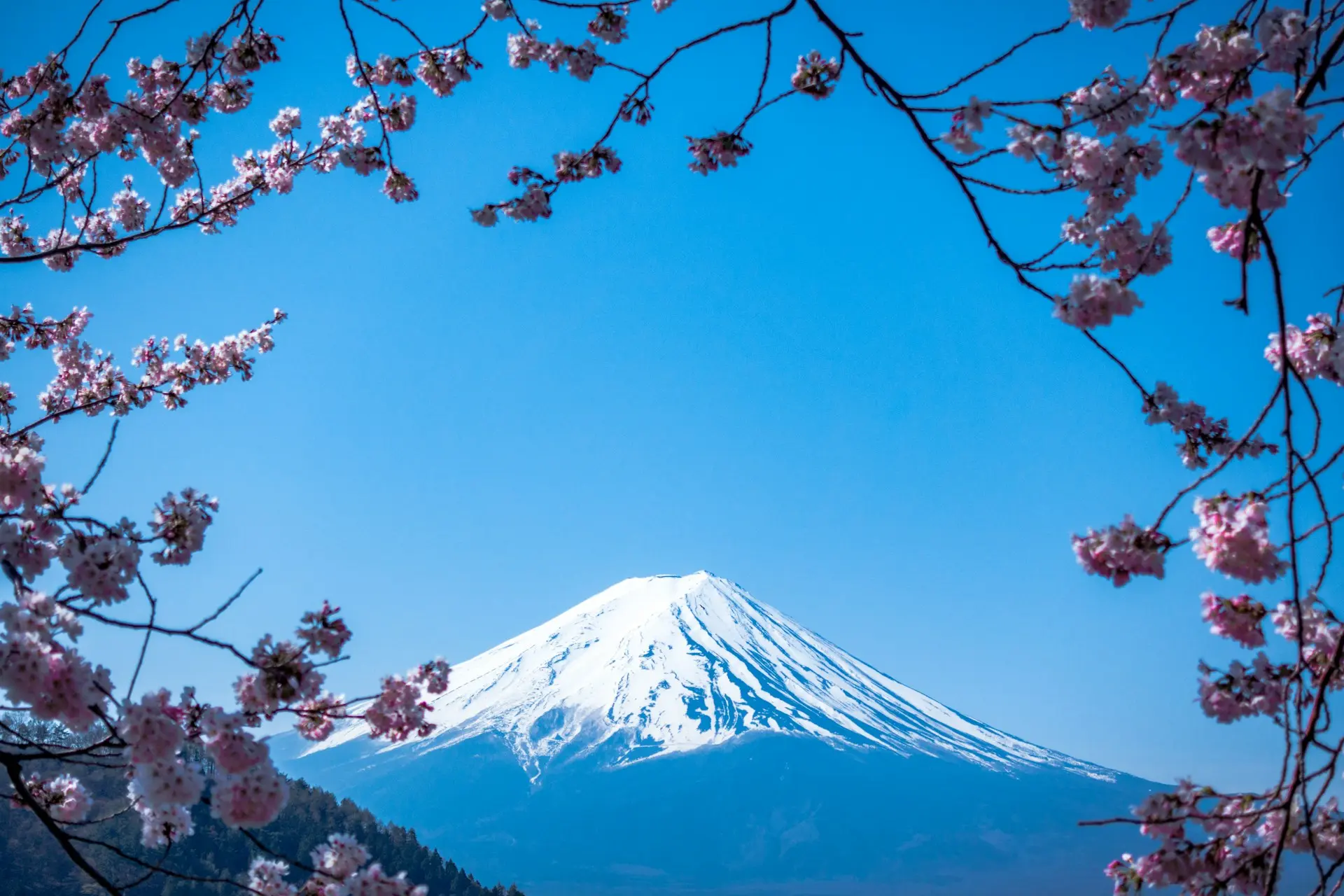
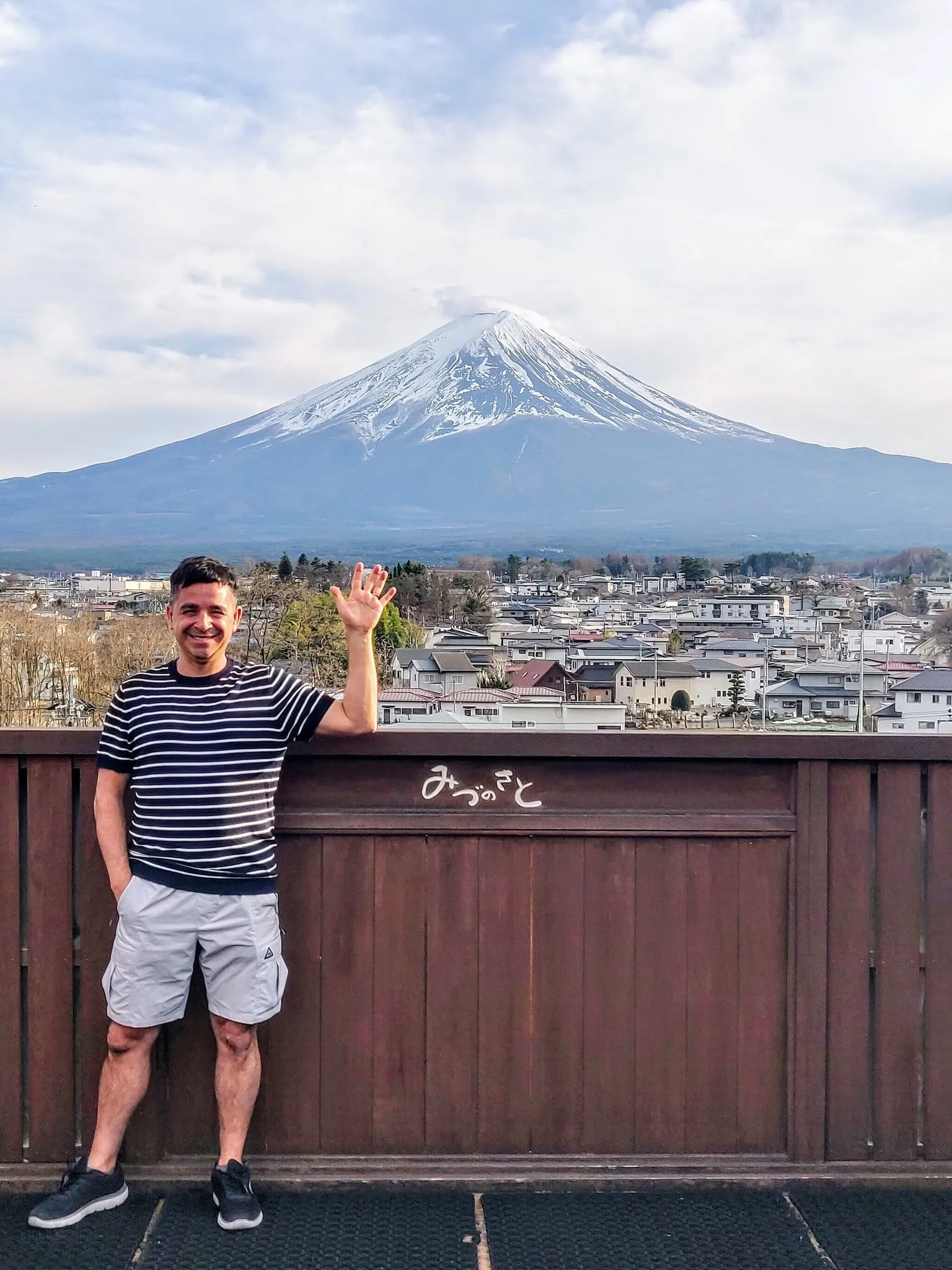
Mount Fuji and Hakone. An hour and a half from Tokyo, with hot springs, a lake cruise and the volcanic valley at Owakudani. Good as a day trip and better as an overnight stay.
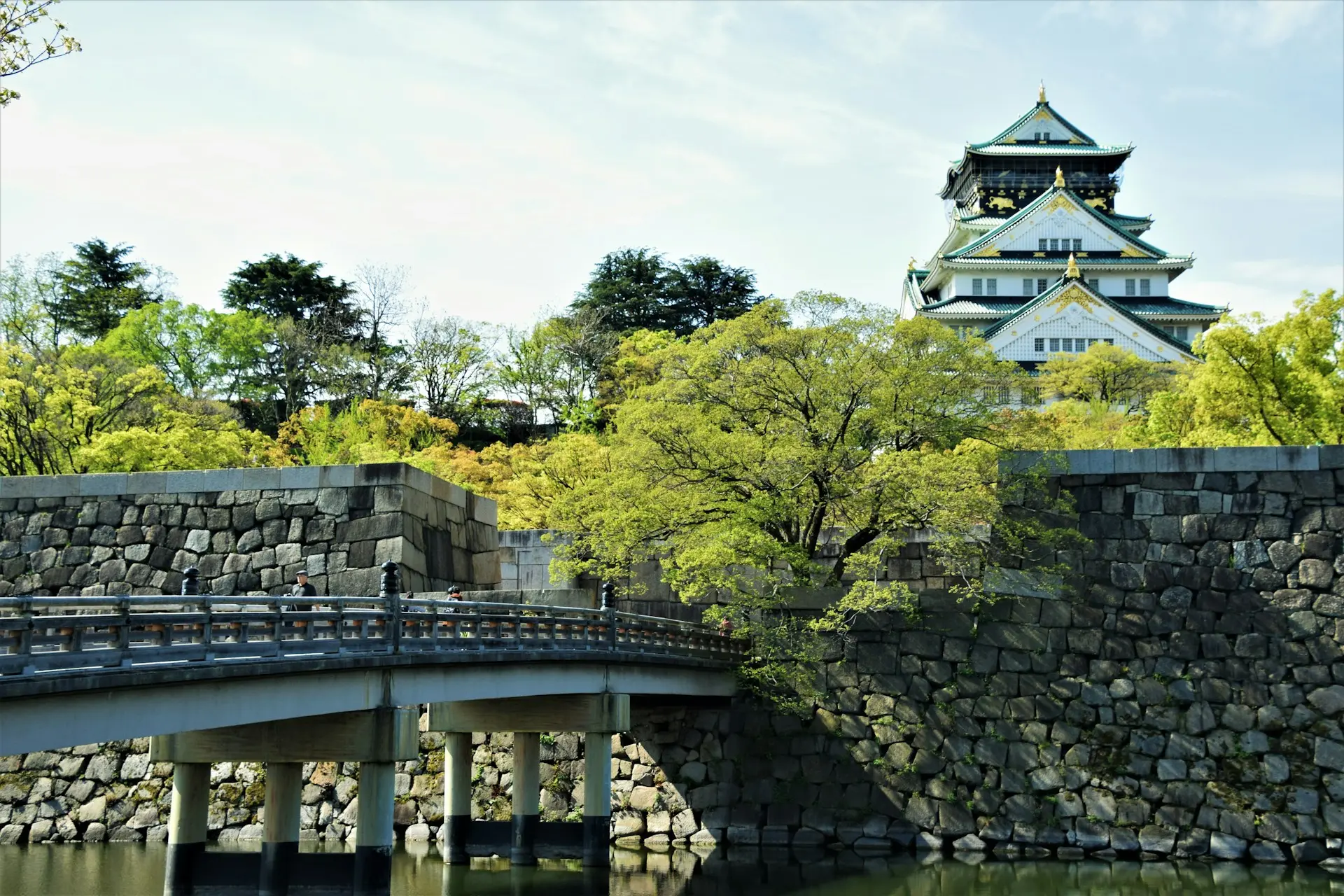
Osaka. Forty minutes from Kyoto and a completely different city — street food, Dotonbori and the Glico sign over the bridge.
Hiroshima. The Peace Memorial Park and the Atomic Bomb Dome, the only building left standing near the hypocentre, now a UNESCO World Heritage site. An hour and forty minutes from Kyoto by bullet train, and worth the journey.
Miyajima. Forty minutes from Hiroshima, and home to Itsukushima Shrine and its torii gate standing in the sea — a sixth-century Shinto shrine and one of the most photographed places in the country.
Nara. Forty minutes from Kyoto. Japan’s first permanent capital, and Todai-ji houses the largest bronze Buddha in the country.
Kanazawa. A historic town with a preserved geisha district and samurai quarter, similar in feel to Kyoto and with a fraction of the visitors. The one we recommend to anyone coming back for a second trip.
Nikko. Two hours north of Tokyo, with ornate mausoleums scattered through the forest of Nikko National Park.
Two windows are worth planning around and one month is worth avoiding. Pick a month to see what to expect. Cold, dry and clear, with the lowest prices of the year and the shortest queues at every temple. Winter also gives the clearest air, so this is the month with the best chance of actually seeing Mount Fuji. Underrated rather than a compromise. Much like January, with plum blossom appearing towards the end of the month — the quieter cousin of the cherry blossom, and far easier to plan around. Snow in Kyoto is rare but spectacular when it lands. Cherry blossom usually reaches Tokyo in the last week of March and Kyoto a few days later, but the date moves by up to two weeks year to year and nobody can promise it. Book early and treat the blossom as a bonus rather than the plan. The most beautiful month and the most expensive, because the whole country wants to be here at once. Golden Week begins at the end of April: a run of national holidays when Japan itself goes on holiday, and hotels and trains book out weeks ahead. Warm, dry and green, and one of the most comfortable months to walk a Japanese city all day. Avoid the first week, which is the tail of Golden Week. After that it settles down and the weather is close to perfect. The rainy season arrives in mid-June and runs into July. It rarely rains all day, but it rains most days and the humidity is noticeable. Temple gardens are at their greenest and the hydrangeas in Kamakura are the reason some people come now on purpose. The rain clears mid-month and the heat takes over. Kyoto's Gion Matsuri runs through July and is one of the great festivals in Japan, which is the argument for coming despite the weather rather than because of it. The month we talk people out of. Above 30°C with humidity that makes walking a city all day genuinely unpleasant, and the Obon holiday in mid-August is when Japan travels domestically, so trains and hotels are full as well as hot. Still warm, and the peak of typhoon season, which can mean a day or two of disruption rather than a ruined holiday. The last week is usually the point where it turns, and prices have not caught up with the improvement yet. Mild, dry and clear, with the autumn colour beginning in the north and the mountains. Our pick for anyone who wants the best of the weather without the cherry blossom prices. Peak autumn colour in Kyoto, and in our opinion the better of the country's two great spectacles — with a fraction of the people looking at it compared with the blossom. If we had to pick one month, this is it. Cold, dry and quiet, with winter illuminations across both Tokyo and Kyoto. Prices climb sharply over the New Year period itself, when Japan closes down for a few days, so aim for the first three weeks.Best time to visit Japan, month by month
January
Best valueFebruary
Best valueMarch
Best timeApril
Peak seasonMay
Best timeJune
Rainy seasonJuly
Hot and humidAugust
AvoidSeptember
ImprovingOctober
Best timeNovember
Best timeDecember
Best value
How much does a holiday to Japan cost?
Our Japan itineraries start at £1,395 per person and most fall between £1,700 and £2,500 for eight to fourteen nights, based on two sharing.
Three things move the price. Cherry blossom season is the biggest — April is consistently the most expensive month of the year. January and February are the cheapest, and Japan in winter is a genuinely good trip rather than a compromise. And hotel choice moves the price further than the itinerary does, because the difference between an efficient business hotel and a ryokan with a kaiseki dinner is larger than the difference between two cities and three.
Why book your Japan holiday with All About Tailor Made Travel
Award-winning, and recently. We were named Bespoke Tour Operator of the Year 2025 by Prestige Awards Magazine (London & South East), and Most Innovative Outbound Niche Tour Operator 2025 – London by the Travel & Tourism Awards.
We have been. Our team travelled Japan in {{mes año}}, and everything we recommend on this page comes from having done it rather than from a supplier’s brochure.
Fully ATOL protected, licence 10510. Your money is protected before you travel and your certificate is issued the day you pay your deposit. More about our financial protection.
A quote the same day. You will have a complete, costed itinerary within the same day of getting in touch — not a brochure and not a “from” price. Seven days a week, 365 days a year.
One consultant, no call centre. The same person from your first enquiry to your return.
Rated 5.0 from 119 reviews. Google Reviews · Review Centre
Japan holidays: frequently asked questions
On a first trip to Japan, go to Tokyo, Kyoto and one thing that is neither — Mount Fuji, Hiroshima or Osaka. Tokyo and Kyoto give you the two halves of the country, modern and old, and the bullet train between them takes two hours fifteen minutes. Add Hakone or Lake Kawaguchiko if you want to see Fuji properly. The best times to visit Japan are March to May and September to November. Spring brings cherry blossom, which peaks in the first week of April in Tokyo and Kyoto; autumn brings maple colour, clear skies and fewer people. Avoid August, which is hot and humid across the main island. Both peak seasons cost more, so book early. No, you do not need a visa for Japan if you hold a UK passport — you are granted 90 days on arrival for tourism, which covers any of our itineraries. Your passport must be valid for the length of your stay. Fill in the Visit Japan Web forms online before you fly and immigration and customs take minutes. Most people do not need a Japan Rail Pass, and on our itineraries you never do — every bullet train ticket is booked point to point and included in the price. A pass only pays for itself if you are covering long distances most days, which a two-city or three-city trip does not. Use a Suica card for local travel. A two-week holiday to Japan costs from £2,095 per person, which is our fourteen-night Tokyo, Mount Fuji, Kyoto, Hiroshima and Osaka itinerary including flights, hotels and every bullet train ticket between them. Spending money is the variable: budget for meals, entrance fees and any excursions on top. Cherry blossom departures in late March and April cost more. You need eight to fourteen nights in Japan, depending on how much of it you want. Eight nights covers Tokyo and Kyoto properly, with a day either side of the bullet train. Fourteen lets you add Mount Fuji, Hiroshima and Osaka without moving hotel every other day. Under a week, pick one city and stay put.
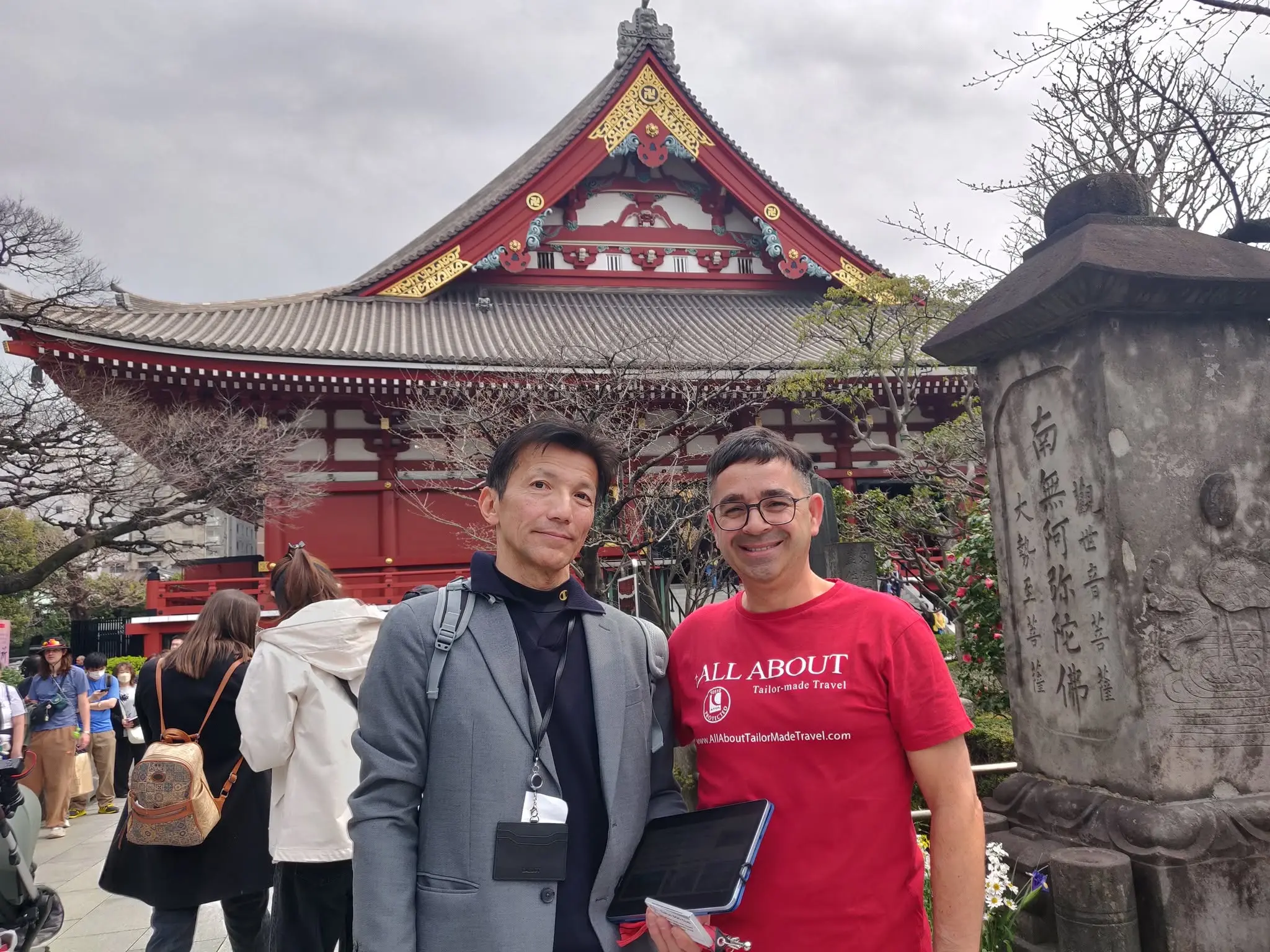
Our own trips to Japan
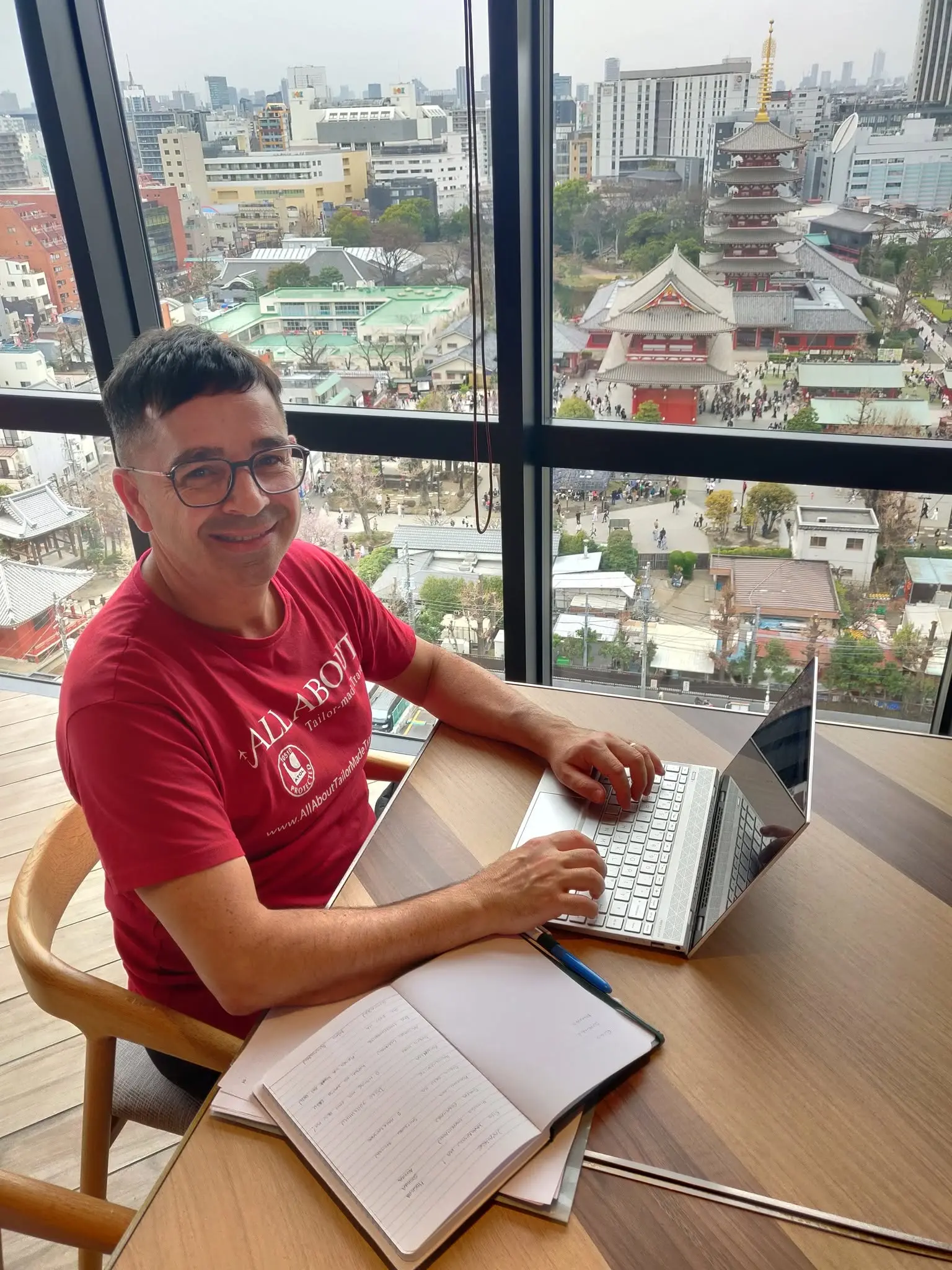
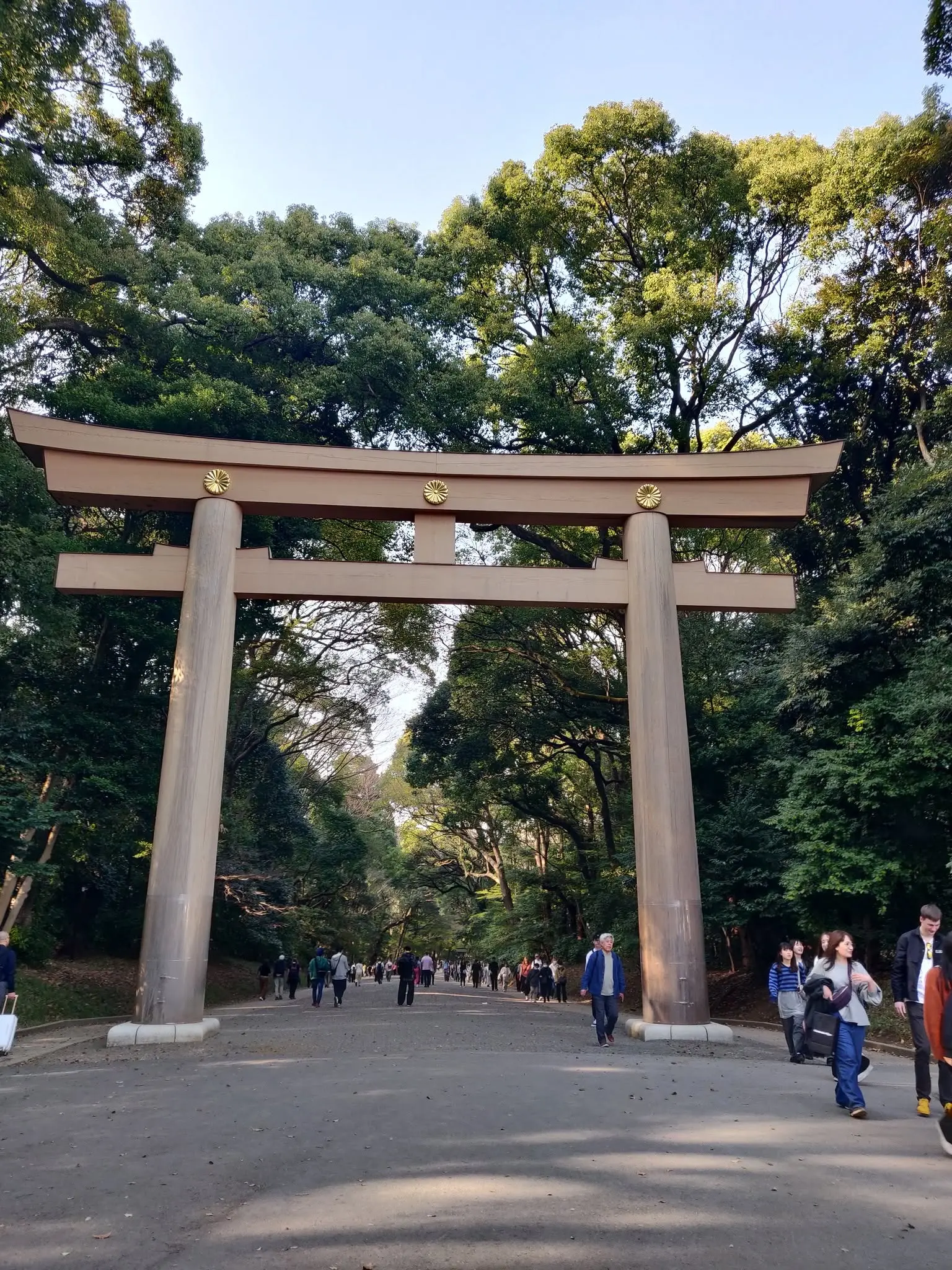
Juanma, travelled Japan in 2026. These are his own photographs, and everything we recommend on this page comes from that trip.
Plan your Japan holiday
Tell us your dates and roughly what you want to see, and we will send you a costed itinerary the same day.
Call 0208 469 0516, Monday to Sunday, 9am to 10pm · WhatsApp +44 7939 072549 · [email protected]