
Japan twin centre holiday: Tokyo and Kyoto, 8 nights

A Tokyo and Kyoto twin centre holiday is an 8-night trip split evenly between Japan’s two defining cities — four nights in each, linked by a Shinkansen bullet train ticket included in the price. Holidays start from £1,395 per person including return flights from London, both hotels and ATOL protection. It is the itinerary we recommend most often for a first trip to Japan.
You stay in Shinjuku in Tokyo, which puts you inside the busiest part of the city rather than a taxi ride from it, and in Gion in Kyoto, five minutes’ walk from the tea houses and the lanes that empty out by nine in the evening. The bullet train between them takes two hours and fifteen minutes, station to station, with no airport and no check-in in between.
Price includes:
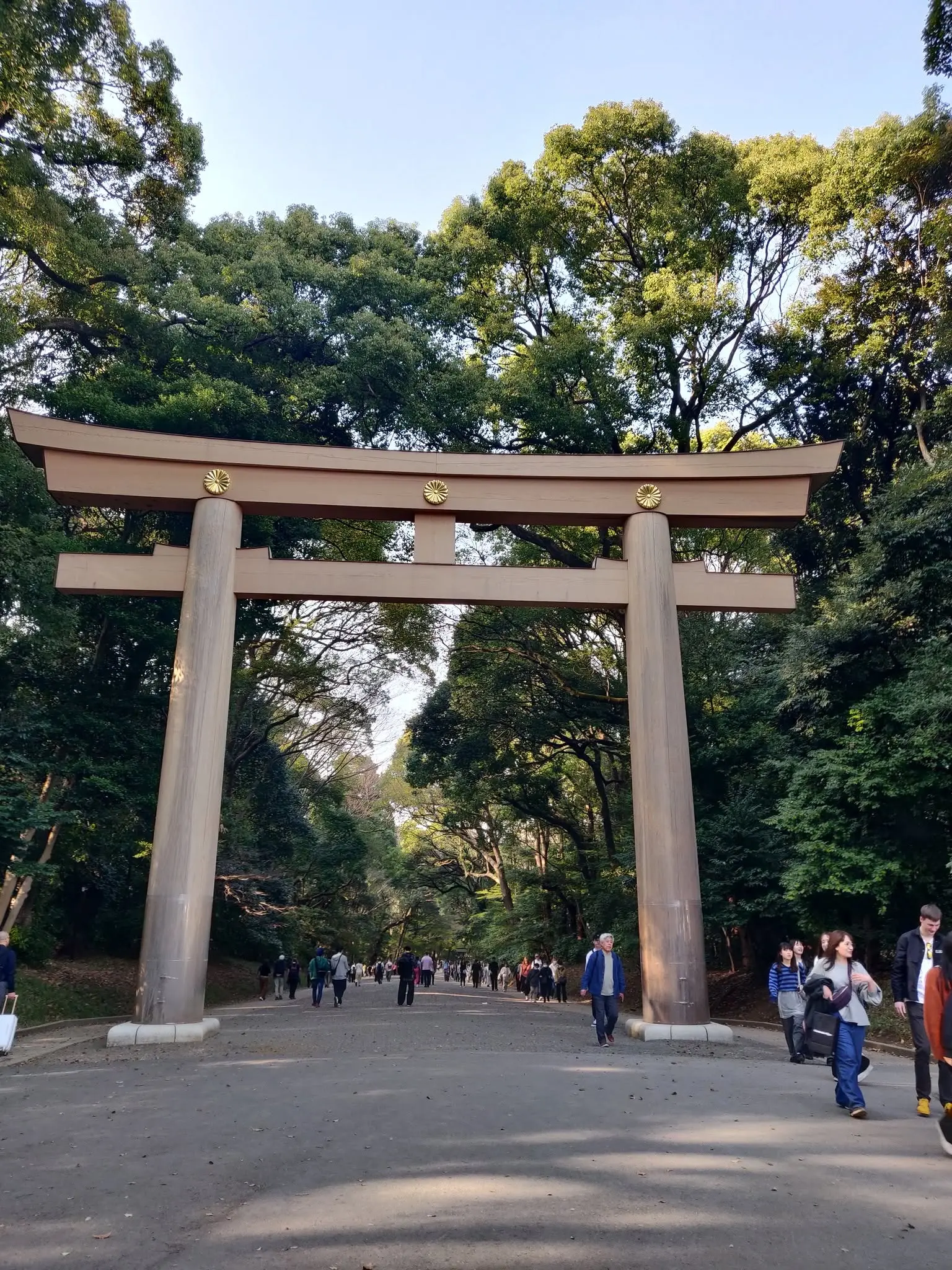
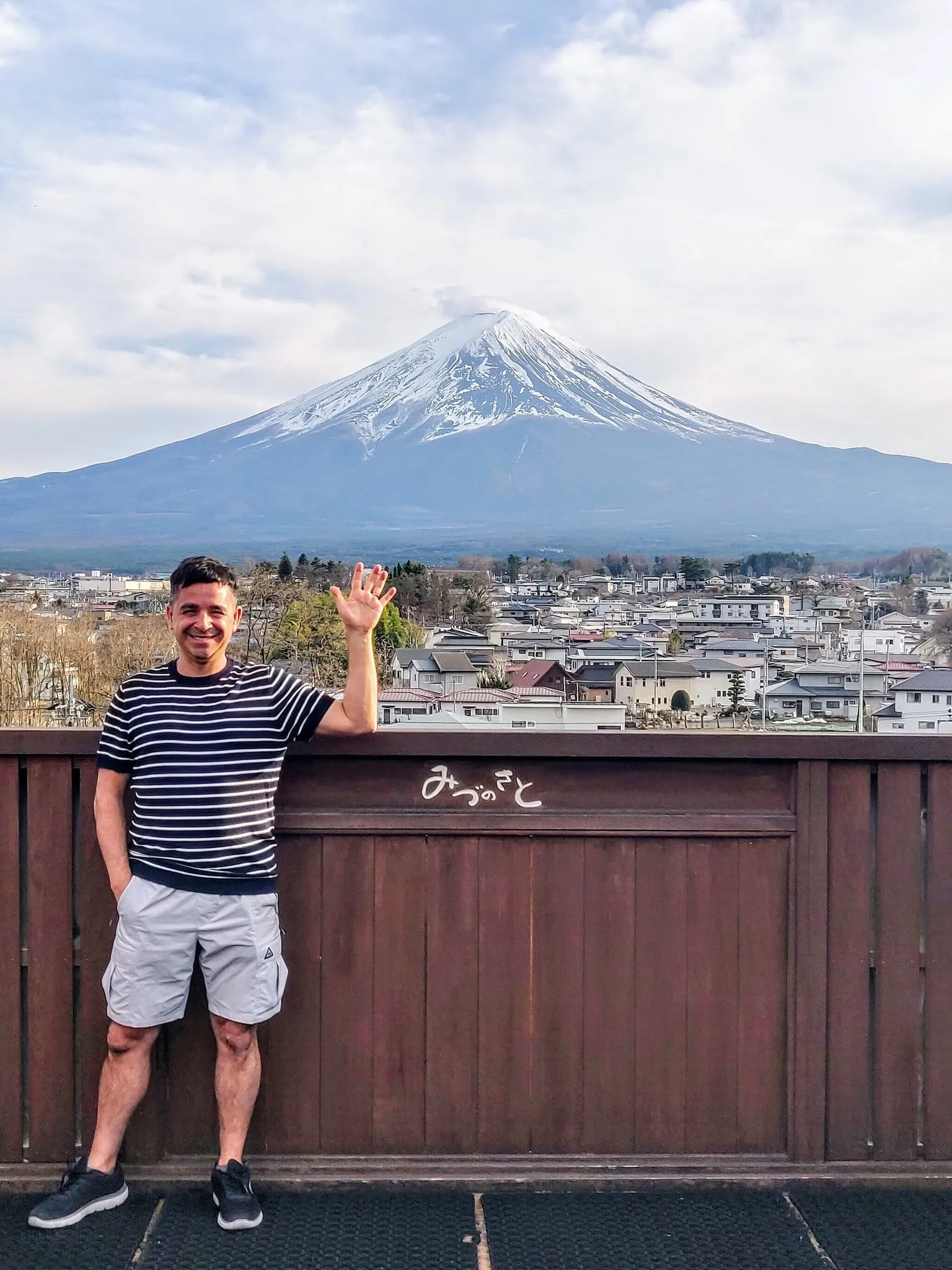
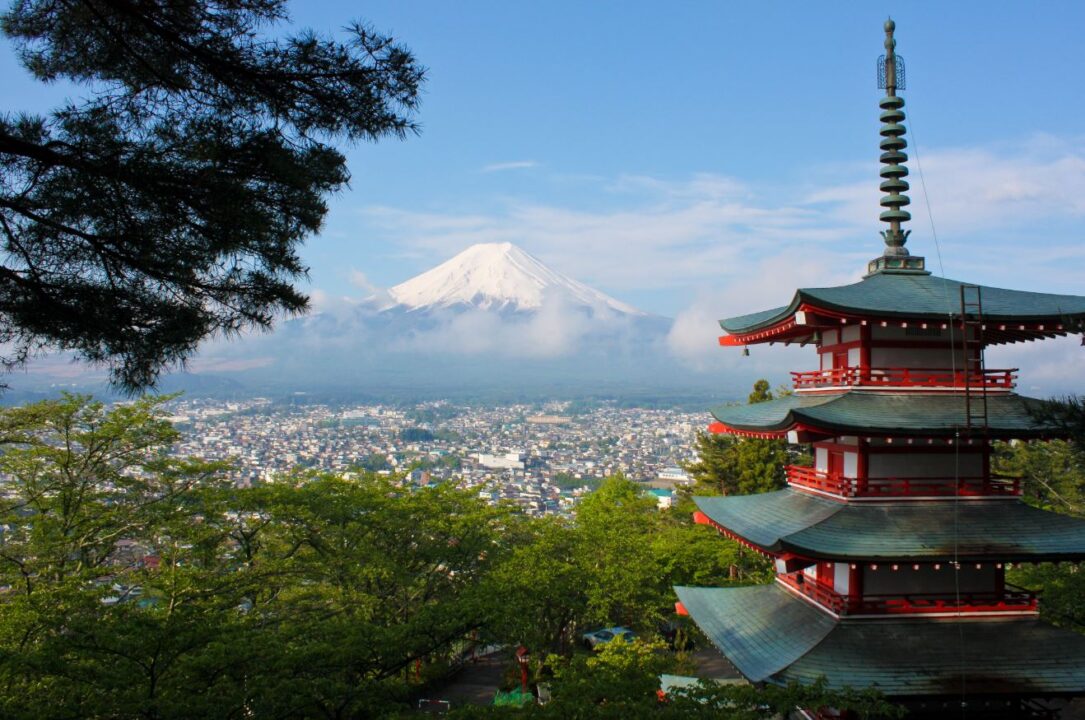
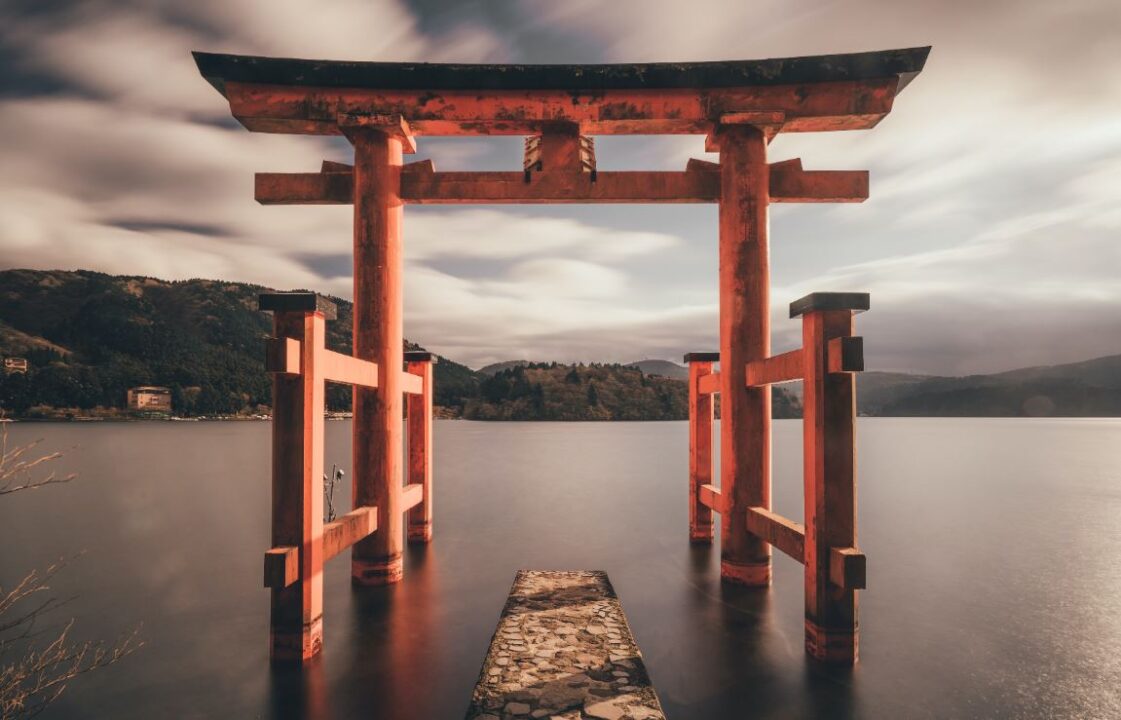
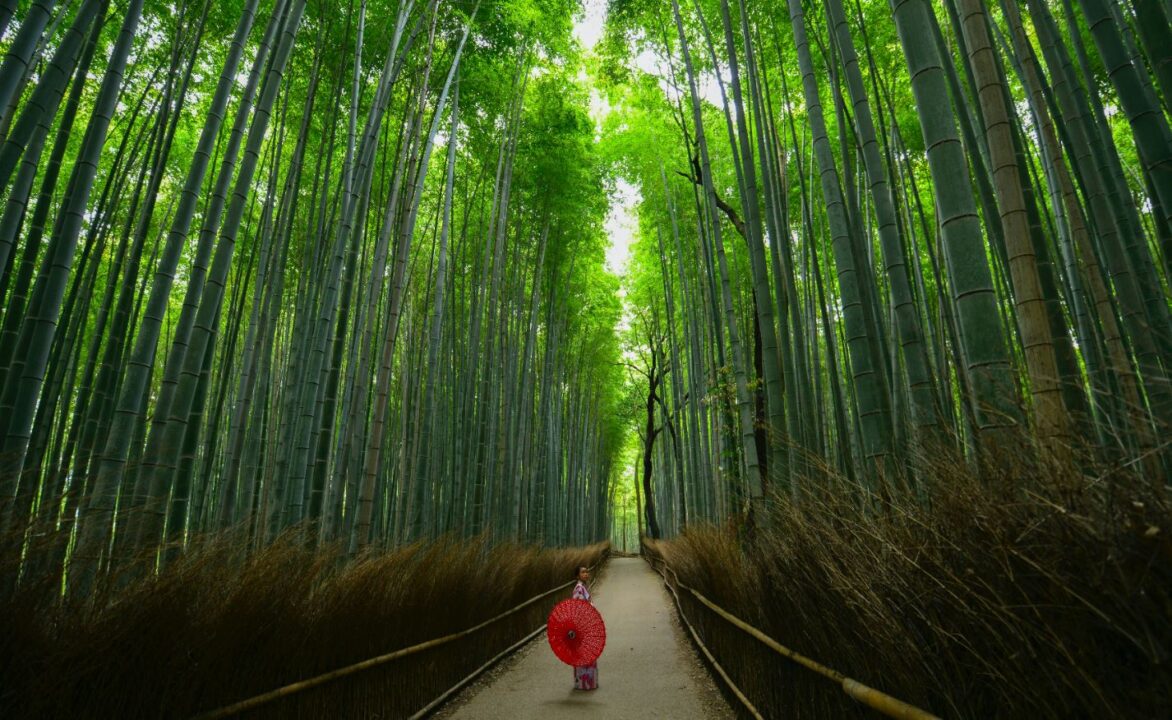
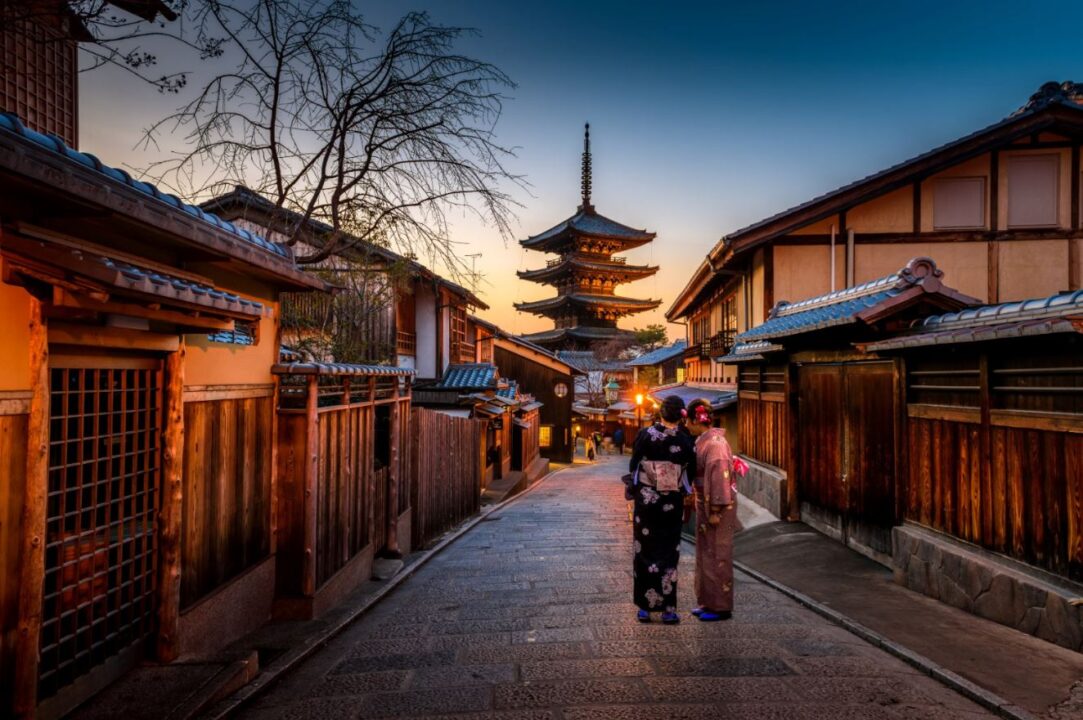
Fly out of London Heathrow with Emirates, connecting in Dubai. Departures from Manchester, Birmingham, Edinburgh, Glasgow, Belfast and Newcastle are available with alternative carriers, and British Airways non-stop flights can be added for a supplement. Your travel consultant confirms the exact timings when the booking is made. You cross eight time zones travelling east, so the calendar loses a day in the air and you land in Japan the following afternoon. Eat on London time for the Dubai leg, then treat the second flight as your night and sleep through as much of it as you can — it makes the first evening in Tokyo far easier. Emirates online check-in opens 48 hours before departure and closes 90 minutes before. Use it to claim seats for both legs at once; the Dubai to Tokyo aircraft fills quickly at the front of economy. Land in Tokyo and clear immigration, where you will need the Visit Japan Web QR code you registered before flying. The run into Shinjuku takes about an hour by Airport Limousine bus if you land at Haneda, or closer to 90 minutes on the Narita Express if you land at Narita. Private transfers can be arranged in advance. Your hotel sits in Kabukicho, a few minutes north of Shinjuku station. Once you have dropped your bags, walk ten minutes to Omoide Yokocho, the lane of tiny yakitori counters beside the west exit, or take the free lift to the 45th floor of the Metropolitan Government Building for a first look across the city. Keep the first evening short. Add a Suica card to Apple Wallet before you leave home and top it up with a UK card. It works on every metro, JR line and bus in Tokyo and Kyoto, and on convenience store tills, with no queue at the airport ticket machines and no deposit to reclaim. Jet lag wakes you early, so use it. Take the Marunouchi and Ginza lines from Shinjuku to Asakusa, about 35 minutes, and walk in through the Kaminarimon gate while the shutters on Nakamise-dori are still down. The approach to Sensō-ji is a straight 250 metres of souvenir stalls that becomes almost impassable by mid-morning and is empty at seven. Behind the main hall are the quieter Asakusa Shrine and the five-storey pagoda. When the shops open around ten, work back down Nakamise and into the side lanes for Denbo-in Street and the old craft shops, then cut east to the Sumida River. Rickshaw drivers wait near the gate and will run a ten-minute or half-hour loop of the district. In the afternoon take the river bus downstream to Hamarikyu Gardens, a walled Edo-period garden with a tea house on an island, or stay on to Odaiba. Either way you arrive by water, with Tokyo Skytree behind you and the city opening out ahead. Directly opposite Kaminarimon, the Asakusa Culture Tourist Information Center has a free eighth-floor terrace looking straight down Nakamise-dori to the temple. It opens at 09:00, has a lift, and is the photograph everyone else queues in the street for. An optional pre-bookable full day to Hakone, in the crater country below Mount Fuji. The coach leaves Shinjuku in the morning and covers roughly 90 kilometres south-west, about two hours each way, returning to Shinjuku by 18:00. It has to be booked and paid before you travel; ask us for the current price when you reserve. The day runs as a circuit: a cruise across Lake Ashi on one of the replica pirate boats, with the red torii of Hakone Shrine standing in the water on the eastern shore, then the Hakone Ropeway up and over the ridge to Ōwakudani. The valley has been venting sulphur since an eruption around 3,000 years ago, and the eggs boiled in the pools come out black; local lore gives you seven extra years of life per egg. The afternoon is a choice between Gotemba Premium Outlets, one of the largest outlet malls in Japan with Fuji visible behind it, or an onsen with a mountain view. Both work; the onsen is the better use of the day if you have shopping time in Tokyo. Fuji hides behind cloud most summer days. From December to February it is visible on the majority of mornings and the odds fall steadily through spring. Whatever the month, look in the first two hours of the day — the mountain usually clouds over by early afternoon. A day on the west side of the city, two stops from Shinjuku on the Yamanote line. Start at Meiji Jingu, where a gravel path runs for ten minutes through forest before the shrine appears, then leave by the south gate straight onto Takeshita-dori in Harajuku. The contrast between the two takes about four minutes on foot and is the point of the morning. Walk down Omotesando for the architecture, then into Shibuya for the crossing, best watched from the first-floor Starbucks window or from Shibuya Sky. This is also the day for the pre-bookable options: the Harajuku Kawaii tour with a guide in full street style, a kimono and tea ceremony, the Otaku half-day in Akihabara, or a small-group food tour. The Ghibli Museum at Inokashira Park in Mitaka is 20 minutes west of Shinjuku on the Chuo line. It is small, deliberately unsignposted inside, and holds one short film you cannot see anywhere else. Ghibli Museum tickets are date and time stamped and are never sold at the door. They go on sale on the 10th of the month for the whole of the following month and the popular slots go the same day, so this is one to buy the moment your dates are fixed, months before you fly. Check out after breakfast and take the bullet train to Kyoto, 2 hours 15 minutes on a Nozomi service, 476 kilometres at up to 285 km/h. Your tickets are included. Tokaido Shinkansen trains leave from Tokyo station or Shinagawa, so allow 20 minutes on the Chuo line from Shinjuku to Tokyo station plus time to find the platform. Kyoto station puts you 15 minutes by taxi from Gion, or two stops on the Karasuma subway and a short walk. The city is a grid laid out in the eighth century, which makes it unusually easy to navigate: streets run north to south and east to west, and addresses tell you which crossing you want. Keep the first evening in Higashiyama. Walk north from your hotel through Gion, along Hanamikoji with its wooden machiya frontages, and up to Yasaka Shrine, lit after dark and open at all hours. Book seats D or E. Travelling west from Tokyo, Mount Fuji appears on the right-hand side of the train roughly 40 minutes in, just after Shin-Fuji station, and stays in view for about four minutes. Fushimi Inari is two stops south of Kyoto station on the JR Nara line, about five minutes, and the shrine grounds never close. Thousands of vermilion torii climb the wooded slope of Mount Inari in a tunnel that takes two to three hours to walk in full. Most visitors turn back at the Yotsutsuji viewpoint, halfway up, where the city spreads out below. Come back down and spend the afternoon in Higashiyama. Kiyomizu-dera stands on a wooden stage over the hillside with no nails in its frame; the descent from it runs through Sannenzaka and Ninenzaka, two stepped lanes of tea shops and pottery, into Kodai-ji and back to Gion. Photography is banned on the private lanes of Gion after repeated complaints, and the ban is enforced with fines. Walk them, do not shoot them. Fushimi Inari is open 24 hours and free, and it is the one place in Kyoto where arriving before 07:30 changes the experience completely. By ten the lower tunnel is a slow-moving queue. The path is lit at night as well, if you would rather do it after dinner. Arashiyama sits at the western edge of the city, 20 minutes from Kyoto station on the JR Sagano line. The bamboo grove is a single 500-metre path and it is genuinely quiet only before eight. Beyond it are the villa and gardens of Okochi Sanso, the Togetsukyo bridge over the Katsura river, and the monkey park on the hill opposite, a steep 20-minute climb for a view back over Kyoto. Tenryu-ji, at the grove's southern entrance, has a garden laid out in the fourteenth century and never redesigned since. The Sagano Romantic Train runs from Torokko Saga up the gorge to Kameoka, 25 minutes each way through the river valley, and pairs with a boat back down the rapids. In the afternoon cross north to Kinkaku-ji, the gold pavilion on its reflecting pond, then Ryoan-ji and its fifteen stones twenty minutes further west. Bus 11 and the Randen tram both connect Arashiyama to the north-west temples. On the Sagano Romantic Train, car 5 is open-sided with no windows and is the only carriage worth having. It cannot be reserved in advance — those seats are sold on the day, at the station, from the moment the ticket window opens. Nara was the capital before Kyoto and is 45 minutes south by Kintetsu limited express from Kyoto station, or an hour on the JR Nara line. Kintetsu Nara station leaves you a five-minute walk from the park, which is the better arrival of the two. The park holds around 1,200 wild sika deer that wander freely between the temples and have learned to bow for food. Tōdai-ji, at the north end, is one of the largest wooden buildings in the world and houses a bronze Buddha cast in 752. Behind it, the stone lanterns of Kasuga Taisha line a forest path uphill, and Nigatsu-do gives you the view back over the whole valley. If you would rather stay in Kyoto, this is the day for Nishiki Market, the covered food street running five blocks through the centre, the Philosopher's Path between Ginkaku-ji and Nanzen-ji, or the Samurai and Ninja Museum, all bookable through us in advance. Buy the deer crackers, shika senbei, from the licensed stalls in the park rather than bringing food in. The price is fixed and the proceeds go to the foundation that looks after the herd. Hold the whole stack behind your back and feed one at a time. Show the bundle and you will be surrounded in seconds, and the young stags nip. The return flight leaves from Kansai International, built on an artificial island in Osaka Bay. The Haruka limited express runs direct from Kyoto station to the airport in about 80 minutes, roughly every half hour, and is the only rail option that does not involve a change in Osaka. Allow three hours at the airport for an international departure, so a mid-morning flight means leaving Kyoto around dawn. If your flight is later, most Kyoto hotels will hold luggage after checkout, and Kyoto station itself is worth the last hour: the 15-storey atrium, the rooftop skyway and the ramen floor on level ten. From Kansai you connect through the Gulf and land back at London Heathrow the same day. Use a luggage forwarding counter, takkyubin, the day before. Send your cases from the hotel straight to the airport and travel to Kansai with a day pack. Book it 48 hours ahead for airport delivery rather than overnight.Tokyo and Kyoto itinerary, day by day
Why combine Tokyo and Kyoto?
Tokyo and Kyoto are two halves of the same country and they could not be less alike, which is exactly why the pairing works. Tokyo is the Japan people picture before they arrive: thirteen million people, neon, department store food halls, a train every ninety seconds. Kyoto is the Japan they remember afterwards — seventeen UNESCO World Heritage sites, wooden machiya houses, temple gardens, and streets in Gion that empty by nine in the evening.
The practical case is just as strong. The bullet train covers the 450 kilometres between them in two hours and fifteen minutes, city centre to city centre, with no airport and no security queue. You fly into Tokyo and home from Osaka Kansai, an hour from Kyoto, so you never double back on yourself.
Four nights in each is the split we recommend and the one most people come home happy with. Fewer than four in Tokyo and you spend the jet lag and see very little. Fewer than four in Kyoto and you find yourself choosing between temples rather than seeing them properly.
Tokyo and Kyoto holidays: frequently asked questions
Yes, eight nights is long enough for a first trip to Japan, and this itinerary splits it four nights in Tokyo and four in Kyoto. You lose most of the first day to the flight, leaving around seven usable days — enough for Tokyo's main districts, Kyoto's temples and a day trip. Add nights if you want Mount Fuji as well. No, you do not need a Japan Rail Pass for a Tokyo and Kyoto trip like this one, because your bullet train ticket from Tokyo to Kyoto is already included in the price. A pass only pays for itself over several long journeys, and you make one. Use a Suica card for local trains and metros instead. On an eight-night trip, four nights in Tokyo and four in Kyoto is the split that works, which is how this itinerary is built. Tokyo needs the time for Shinjuku, Shibuya and Asakusa; Kyoto's temples are spread out and reward slower days. If you prefer cities to shrines, shift one night from Kyoto to Tokyo. Yes, you can add both Mount Fuji and Osaka to this Tokyo and Kyoto itinerary. Fuji works as a Hakone day tour from Tokyo with a Lake Ashi cruise and cable car, or as two extra nights at Lake Kawaguchiko. Osaka is thirty minutes by train from Kyoto, and you already fly home from there. No, you do not need a visa for Japan as a UK passport holder — you are granted 90 days on arrival for tourism, which comfortably covers this eight-night trip. Your passport must be valid for the length of your stay. Complete the Visit Japan Web forms online before you fly to speed up immigration and customs. We can also extend your journey to include other fascinating destinations such as Kanazawa, Shirakawa-go, Takayama, Hiroshima, Nagasaki, Kamakura or Nagoya. The possibilities are almost endless. This eight-night Tokyo and Kyoto holiday starts at £1,395 per person, based on two sharing and including Emirates flights from London, both hotels on a room-only basis and your bullet train ticket to Kyoto. April cherry blossom departures rise to £1,895. Transfers, meals and excursions are extra, and we quote those with the itinerary.
Reviews & Testimonials


U.K. REGIONAL DEPARTURES AVAILABLE WITH ALTERNATIVE AIRLINES. * ATOL PROTECTED HOLIDAYS * Further discounts apply when 4 or more adults travelling together.
-
Destination
-
DepartureLondon. U.K. Regional departures also available
-
IncludedJapan twin centre holiday: Tokyo and Kyoto, 8 nightsTwin centre
-
Not IncludedMulti destinationSelf drive holidaysHoneymoonWildlife holidays
FROM OUR GALLERY
Japan tailor made holidays from the U.K. Tokyo and Kyoto twin centre
What's included in this Tokyo and Kyoto holiday
Everything below is included in the price from £{{X}} per person, based on two people sharing, with your holiday fully ATOL protected.
Scheduled flights
- London to Tokyo via Dubai, Emirates.
- Osaka to London via Dubai, Emirates.
Manchester, Birmingham, Glasgow, Edinburgh and other UK regional departures also available. Direct flights with British Airways available at a supplement. Checked baggage allowance: {{confirm}}.
Accommodation
Room only basis. Hotel and room upgrades available on request.
- 4 nights double room at Apa Hotel Shinjuku Kabukicho Tower, Tokyo.
- 4 nights double room at APA Hotel Kyoto Gion Excellent, Kyoto.
Rail travel
- Bullet train ticket Tokyo to Kyoto, one way, reserved seat.
Departure station to be confirmed: {{Tokyo or Shinagawa}}. The Tokaido Shinkansen does not run from Shinjuku.
Other services included
- ATOL Certificate, licence number 10510, issued at time of booking for your financial protection.
- One named consultant from your first enquiry to your return.
What's not included: costs to budget for
The package covers your return flights, eight nights' accommodation and the bullet train between the two cities. These are the costs to allow for on top.
Airport transfers
Transfers are not included at either end, and Japan is one country where that matters less than you would think — the public options are quick, punctual and easy to use with luggage. From {{Narita or Haneda}} into Shinjuku, the Airport Limousine Bus drops you at the door of the main hotels and takes {{about 90 minutes}} for {{£X}} per person; the train is faster but leaves you to cross Shinjuku station, which is the busiest in the world. Coming home, allow {{about 80 minutes}} from central Kyoto to Kansai airport on the Haruka limited express, {{£X}} per person, and add a taxi from your hotel to Kyoto station on top. If you would rather not think about it, we can book private transfers at either end from {{£X}} per car — ask us for a quote when you book.Meals
Both hotels are booked room only, so every meal is yours to budget for. This is deliberate rather than a saving: eating out is where a lot of the trip happens, and hotel breakfast in Japan is rarely worth staying in for. A bowl of ramen or a plate at a conveyor sushi counter is {{£X}}, a set lunch on a department store restaurant floor {{£X}}, and a full dinner with drinks {{£X}} a head. The convenience stores are genuinely good and will feed you well for {{£X}}. Tipping is not expected anywhere and will usually be refused.Daily spending
Buy an IC card on arrival — Suica or Pasmo in Tokyo, Icoca in Kyoto, all valid in both cities — and load {{£X}} to start. Single metro journeys are {{£X}} and Kyoto's buses a flat {{£X}}, so a full day of moving around rarely passes {{£X}} per person. Taxis are the exception: after the last train, around midnight, a ride across central Tokyo can be {{£X}}. One thing worth knowing is luggage forwarding — for {{£X}} per case your Tokyo hotel will send your suitcase to Kyoto overnight, so you travel on the bullet train with just a bag. Allow {{£X}} per person per day for transport and incidentals.Entry fees and rail passes
Temples and shrines charge at the gate, usually {{£X}} to {{£X}} each, and two or three in a day is a normal pace, so {{£X}} per person per day covers Kyoto comfortably. Fushimi Inari, Nishiki market and the Gion streets cost nothing. The nationwide Japan Rail Pass is not included and, for this itinerary, is unlikely to pay for itself — your one long journey between the cities is already booked, and the pass has to be bought before you leave the UK. If you add day trips to Nara or Osaka, buy those tickets as you go.Optional excursions
Nothing in this holiday is guided, which leaves the days open. The trips our clients add most often are Nara for the temples and deer, {{£X}} per person with a guide or {{£X}} on the train alone, and Hiroshima and Miyajima as a long day from Kyoto, {{£X}} per person. In Tokyo, a half day walking tour of Asakusa or the fish market is {{£X}}. We can book any of these before you travel so they are paid for and confirmed in English.Visas and entry requirements
British passport holders do not currently need a visa for a tourist stay of this length, and there is no cost to arrange. Your passport needs to be valid for the whole of your stay. Japan now asks arrivals to complete an online immigration and customs declaration before landing, which is free and takes a few minutes. Check the current requirements on gov.uk shortly before you travel, and tell us at the time of booking if you hold a passport from another country.Hotel and room upgrade options
The two hotels in the package are clean, central and reliable, but the rooms are small and plain. If you would rather have more space, a quieter street or a building with some character, these are the alternatives we book most often.
Tokyo
- OMO3 Asakusa by Hoshino Resort — in the older east of the city beside Senso-ji, for a first trip that you want to feel less like a business hotel.
- Gracery Hotel Shinjuku — larger rooms a few minutes from Shinjuku station, in the Kabukicho building with the Godzilla head on the roof.
From {{£X}} per person per night.
Kyoto
- The Machiya Ebisuya — a restored wooden townhouse taken as a whole rather than a hotel room, for a couple who want the house to themselves.
From {{£X}} per person per night. Any other Kyoto hotel can be quoted on request.
How much does a Tokyo and Kyoto holiday cost?
Prices run from £1,395 to £1,895 per person for the 8 nights, based on two people sharing. April is the peak at £1,895 — cherry blossom season fills Tokyo's parks and Kyoto's temple gardens, and Easter school holidays push flights and hotels to their highest of the year. January is the lowest at £1,395, and it is a genuinely lovely time to go: crisp clear skies, the best Mount Fuji views of the year, near-empty shrines and the winter illuminations across both cities. Your hotel and room choice moves the price most — upgrading to a central Shinjuku high-floor room or adding a Kyoto ryokan night with kaiseki dinner.| Year 2026 | Adult price from |
|---|---|
| October | P.O.A. |
| November | £1,795 |
| December | P.O.A. |
| Year 2027 | Adult price from |
|---|---|
| January | £1,395 |
| February | £1,595 |
| March | £1,695 |
| April | £1,895 |
| May | £1,795 |
| June | £1,695 |
| July | P.O.A. |
| August | P.O.A. |